
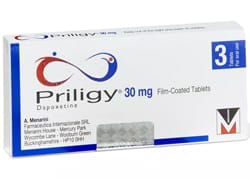
Buy Priligy Online for Fast, Reliable Delivery
Navigating Priligy Dosage and Administration
Finding Your Rhythm with Daily Protocols
Taking Priligy isn’t a “one size fits all” endeavor, much like finding the perfect pair of running shoes. Doctors typically suggest starting with a low dose of 50mg to see how your body reacts. It is a cautious dance between efficacy and comfort, ensuring you don’t overstep your bounds before you even get started.
For most men, the standard protocol involves taking a single dose once a day. Think of it as setting a steady tempo for a long song. Consistency is your best friend here. If you skip days or take it sporadically, you might find the results are as unpredictable as a summer thunderstorm in July.
Your healthcare provider might adjust your regimen based on your unique physiological makeup. Some men find that a slightly higher dose works wonders, while others feel perfectly satisfied with the baseline. Always follow the script your doctor provides, as they know your medical history better than anyone else in the room.
If you feel like you’re hitting a wall, don’t just double up on your pills. That is a recipe for disaster. Instead, have a serious chat with your physician. They might suggest a different timing or a different milligram count to help you find that “sweet spot” where everything clicks perfectly.
Timing Your Performance
Timing is everything, much like waiting for the perfect moment to cast a line in a quiet lake. Unlike some other medications, Priligy needs time to settle into your system. You shouldn’t just pop a pill and expect magic to happen in the next five minutes. It requires a bit of patience.
Generally, you should aim to take your dose between one to three hours before you plan to be intimate. This window allows the active ingredient to reach its peak concentration in your bloodstream. If you wait until you’re already in the heat of the moment, you might find yourself left out in the cold.
It is vital to remember that this isn’t a “rescue” medication. It is a steady presence. If you are planning a special evening, plan your dosage accordingly. Being proactive ensures that the medicine is working hard for you when the lights go down and the mood begins to rise.
Some men prefer taking it at the same time every single day to maintain a steady level in their blood. This “set it and forget it” approach can reduce the anxiety of remembering to take it right before a big date. It turns the medication into a predictable part of your daily routine.
The Risks of Going Overboard
It is tempting to think that more is better, especially when you are chasing a specific result. However, pushing the boundaries of your prescribed dosage is like driving a car at 100 mph in a school zone. You might get there faster, but the crash is likely to be much harder.
Exceeding the recommended dose can lead to a significant spike in side effects. You might find yourself feeling like you’re on a spinning carnival ride. Dizziness, blurred vision, and a sense of disorientation can turn a romantic evening into a confusing and rather unpleasant experience for everyone involved.
The risks aren’t just about feeling dizzy, either. You might experience a sudden drop in blood pressure or an irregular heartbeat. These aren’t just minor inconveniences; they are serious physiological signals that your body is screaming for a break. Never try to “power through” these intense sensations.
If you accidentally take too much, don’t panic, but do act swiftly. Reach out to your medical professional or seek emergency care if you feel your heart racing or experience severe lightheadedness. It is always better to be safe than sorry when playing with your body’s chemistry.
Managing the Uninvited Guests
Not every journey is smooth sailing, and sometimes Priligy brings along some uninvited guests like nausea or mild headaches. These side effects are often the body’s way of adjusting to the new chemical landscape. For many, these sensations fade away as the body learns to dance with the medication.
Nausea can be a real buzzkill. If your stomach starts feeling like it’s in knots, try taking your dose with a light meal rather than on an empty stomach. This can act as a buffer, softening the blow to your gastrointestinal tract and helping you feel much more grounded.
If dizziness becomes a frequent visitor, be careful when standing up too quickly. Imagine you are a slow-moving elevator rather than a sudden jack-in-the-box. Giving your body a few extra seconds to adjust to position changes can prevent that “world-spinning” sensation from taking hold.
Here is a quick reference for common experiences and how to handle them:
| Potential Side Effect | Management Strategy |
| Mild Nausea | Take with food or a light snack. |
| Dizziness | Move slowly when changing positions. |
| Headache | Ensure adequate hydration and rest. |
| Stomach Upset | Avoid heavy, spicy, or greasy meals. |
Current Market Pricing for Dapoxetine
Navigating the Cost Landscape
Shopping for Dapoxetine can feel like trying to navigate a dense fog without a compass. Prices tend to fluctuate wildly depending on where you look. You might find a single pill for as little as $2, but that is rarely the most cost-effective way to go. It is a bit of a balancing act between immediate need and long-term savings.
When you buy in bulk, the price per pill drops significantly, much like buying a large bag of coffee instead of those tiny individual pods. Many users find that purchasing a three-month supply cuts their monthly overhead by nearly half. It is the smart move for anyone looking to keep their budget as steady as their performance.
However, don’t get caught up in the “cheap” trap without looking at the fine print. Sometimes, the lowest price on the screen is just a teaser. You might find that the actual cost per unit rises once you factor in the logistics of getting that package to your front door. Always do the math before you hit that checkout button.
The difference between brand-name Priligy and generic versions is often quite stark. The brand name carries a premium, much like a designer label, primarily paying for the name and the specific manufacturing reputation. Generics offer the same active ingredient at a fraction of the cost, making them the go-to for the budget-conscious man.
Here is a breakdown of how different purchasing options typically look in the current market:
| Package Type | Quantity | Estimated Total | Price Per Pill |
|---|---|---|---|
| Single Starter Pack | 3 Pills | $15 | $5 |
| Standard Monthly Supply | 30 Pills | $45 | $1.50 |
| Bulk Savings Bundle | 90 Pills | $90 | $1.00 |
| Wholesale Subscription | 180 Pills | $150 | $0.83 |
The Hidden Costs of Shipping
Shipping can be a real thorn in your side if you aren’t prepared. While the medication itself might be affordable, international freight can add a hefty layer to your total bill. It is like buying an inexpensive piece of furniture only to find out the shipping costs more than the sofa itself. Always check the delivery terms carefully.
Several factors influence how much you’ll pay to get your order across borders. The speed of delivery is the biggest culprit; express shipping is a luxury that comes with a premium price tag. If you aren’t in a rush, opting for standard shipping can save you a significant amount of cash in the long run.
Beyond the freight charge, you must keep an eye out for “stealth” expenses. Customs duties and local import taxes can catch you off guard, arriving as a surprise bill from your local postal service. It is always wise to check your country’s specific regulations to ensure you aren’t left holding the bag.
Many international pharmacies try to keep things simple, but the reality is often more complex. You might see a low base price, but once you add taxes, handling fees, and shipping, the final number might surprise you. Think of it as the “sticker price” versus the “out-the-door” price. Always look for the total, not just the starting point.
- Customs Duties: Local taxes imposed by your country’s border agency.
- Handling Fees: Administrative costs charged by the courier for processing.
- Express Shipping: A premium paid for rapid, door-to-door delivery.
- Import Taxes: Value-added taxes (VAT) that vary by region.
Sourcing Priligy Safely Online
Walking into the digital pharmacy market can feel like stepping into a crowded bazaar where every vendor promises the finest silks. You see bright banners and flashing “Sale” signs everywhere, but not every shop is what it seems. Distinguishing between a legitimate medical provider and a rogue operation requires a keen eye and a bit of healthy skepticism.
Reputable online pharmacies often operate like established brick-and-mortar stores; they are transparent about their credentials and licensing. They don’t just vanish into the ether when things get complicated. On the other hand, rogue sites often feel like a shell game, using vague contact information and making promises that seem far too good to be true.
If a website looks like it was designed in the late nineties and lacks any clear physical address, consider it a major warning sign. Legitimate businesses invest in their digital presence to build trust, not just to lure you in. If the site feels “off,” it usually is, so trust your gut when browsing through these endless tabs.
Always look for a legitimate pharmacy seal or a verification badge from recognized regulatory bodies. These are not just decorative icons; they are the digital equivalent of a professional license. If a site refuses to show its credentials or hides its contact details behind a wall of mystery, you are likely playing with fire.
Identifying Digital Red Flags
The internet is a vast ocean, and unfortunately, some of the sharks are looking for your credit card details rather than your health. One of the most immediate red flags is a website that demands payment through unconventional methods. If they insist on wire transfers or cryptocurrency only, you should run the other way immediately.
Another glaring issue is the lack of professional communication. A real pharmacy will have a clear way to reach a human being via phone or a dedicated support email. If the only way to contact them is a generic contact form that never gets a response, you are essentially shouting into a void with no safety net.
You should also watch out for websites that claim to sell Priligy without requiring any medical consultation or prescription. While some regions have different rules, a site that treats serious medication like candy is often a sign of a rogue operation. They are prioritizing quick cash over your actual medical safety and well-being.
Keep an eye out for these specific “deal-breakers” while you are window shopping online:
- No Physical Address: A company that exists only in the clouds without a real-world headquarters.
- Unrealistic Pricing: If a bottle of Priligy is listed at $0.50 per pill when the market average is $1.50, it is likely a scam.
- No Secure Checkout: Websites that do not use encrypted payment gateways are a playground for hackers.
- Aggressive Marketing: Pop-ups that insist you “buy now or lose out forever” are classic high-pressure tactics.
Securing Your Data and Package
Before you ever type a single digit of your credit card into a web form, look at the URL bar. You are looking for that tiny, ironclad padlock icon and the “https://” prefix. This indicates SSL encryption, which is the digital equivalent of a locked armored truck for your sensitive information. Without it, your data is essentially being shouted from a rooftop.
Payment security goes beyond just the encryption of the site itself. Check if the merchant offers protected payment methods like PayPal or reputable credit card processors. These services often offer a layer of buyer protection, giving you a way to dispute a charge if the package never arrives or if the contents are counterfeit.
Once the package actually arrives, your work isn’t quite finished. You must act like a detective when inspecting the physical product. Check the packaging for any signs of tampering, such as broken seals or dented boxes. The printing on the box should be crisp and clear, not blurry or misaligned, which is often a sign of a cheap imitation.
The pills themselves should look exactly like the ones described in official medical literature. If the color, shape, or texture looks slightly “off” compared to what you expected, do not ingest them. It is better to lose the money spent on one box than to gamble with your health on a mystery pill.
Evaluating Delivery Reliability
Customer reviews are a goldmine of information, but you have to learn how to sift through the dirt to find the nuggets. Not every review is a genuine account of a customer’s experience. Some sites pay for “bot” reviews that are all five stars and look suspiciously identical in their wording and sentiment.
Look for reviews that provide specific details about the shipping process. A helpful reviewer might mention how many days it took for the package to arrive or how discreet the packaging was. If a site has thousands of reviews and they all say “Great service!” without any detail, take that with a massive grain of salt.
Pay close attention to the negative feedback as well. While no business is perfect, a pattern of complaints regarding “items never arriving” or “wrong products sent” is a massive warning sign. If the complaints are about minor things like a slightly crushed box, that’s one thing, but recurring delivery failures are a deal-breaker.
You can use several metrics to gauge the reliability of a vendor before you commit your hard-earned cash:
| Review Source | What to Look For | Red Flag |
| Third-Party Forums | Long-term user discussions and real stories. | Posts that only exist on the pharmacy’s own site. |
| Trustpilot/Reviews.io | A balanced mix of positive and negative feedback. | A sudden surge of perfect 5-star reviews overnight. |
| Social Media Comments | Real-time interactions from actual people. | Comments that are disabled or heavily moderated. |
Logistics and Global Shipping Expectations
Transit Times and Delivery Windows
When you click that final “order” button, the clock starts ticking. If you are ordering domestically, you might see your package arrive on your doorstep within 3 to 7 business days. It is like ordering a pizza; you expect it relatively quickly, and most reputable vendors prioritize local shipments to keep customers happy and satisfied.
Overseas orders, however, are a different beast entirely. Crossing oceans and borders takes time, and you should prepare for a wait of 2 to 4 weeks on average. Think of it as a long-distance journey through heavy traffic. Patience is your best friend here, as international logistics involve many hands touching that parcel before it reaches you.
Some premium shipping tiers might cost an extra $15 to $30, but they often shave a week off the delivery time. If you find yourself in a pinch, it is worth checking if the vendor offers expedited options. Just remember, even the fastest plane cannot bypass the reality of global shipping delays or seasonal weather patterns.
Always keep an eye on the calendar. If a vendor promises “overnight delivery” from a country halfway across the world for only $5, they are likely selling you a dream. Real logistics have costs, and speed usually comes with a price tag that reflects the urgency of the service provided.
Privacy and Discreet Packaging
Privacy is the cornerstone of a professional pharmaceutical shipment. You don’t want your neighbors or roommates wondering why a package labeled “Special Medication” just arrived. High-quality vendors use “stealth shipping” methods, ensuring the outer box looks like something mundane, like a generic supplement or a basic household item, to maintain your total anonymity.
The inner packaging should be equally unnoticeable. The medication itself is often tucked inside bubble mailers or padded envelopes that offer no clues about the contents. It is like a secret handshake; only you know what is truly inside that nondescript cardboard box sitting on your porch or in your mailbox.
Check for “plain wrap” guarantees during the checkout process. A vendor that uses bright, branded boxes with medical logos is a major red flag. You want your delivery to blend into the background noise of everyday mail, avoiding any unnecessary eyes on your private medical business or your personal lifestyle choices.
If you live in a shared residence, consider using a secure P.O. Box or a local pickup point. Even with the best discreet packaging, a package that looks suspicious to a nosy roommate can cause unnecessary stress. Protecting your privacy is just as important as protecting your physical health.
Tracking and Monitoring Your Order
Once your order leaves the warehouse, you shouldn’t be left wandering in the dark. A reliable vendor will provide a unique tracking number via email shortly after dispatch. This number is your digital lifeline, allowing you to watch your package move through various checkpoints across the globe in real-time.
Monitoring your shipment is vital for managing expectations. Sometimes, a package might sit in a customs warehouse for several days without moving. Don’t panic immediately; this is often just a standard part of the bureaucratic dance. Use the tracking link to see if the status has changed from “label created” to “in transit.”
If the tracking information stops updating for more than ten days, it is time to take action. Don’t sit by the window waiting for a ghost. Reach out to the vendor’s customer support team with your order number handy. They can often see more details on their end than what is visible to you.
Keep a log of all tracking numbers and screenshots of delivery confirmations. If a package is marked as “delivered” but you have nothing in your hands, having this digital paper trail is essential. It turns a “he-said, she-said” argument into a clear-cut case for a refund or a replacement.
Handling Delays and Lost Parcels
Life is unpredictable, and sometimes things go sideways. A package might get lost in a sorting facility or delayed by a sudden storm. If your order is significantly past the estimated delivery window, send a polite inquiry to the company. Most legitimate businesses want to resolve these hiccups before they become major problems.
If a package is officially declared lost by the carrier, you should be entitled to a replacement or a refund. Never let a vendor brush you off with “wait another two weeks” if the tracking shows the item was lost a month ago. Stand your ground, but remain professional in your communication.
In cases where the package is stolen from your porch, the situation gets a bit murkier. Many vendors will offer a one-time courtesy reshipment, but this isn’t a guarantee. If you find yourself dealing with frequent “lost” packages, it might be time to vote with your wallet and find a more reliable provider.
When requesting a refund for a lost item, always provide the specific tracking number. If the vendor refuses to cooperate despite clear evidence, you may need to contact your bank or credit card provider to initiate a chargeback. It is a last resort, but it is a powerful tool for consumer protection.
Navigating Customs and Regulatory Hurdles
Customs is the gatekeeper of international trade, and they can be quite picky. When shipping sensitive medications across borders, there is always a slim chance of inspection. While most small, personal orders pass through without a hitch, customs officials have the authority to hold or seize anything they deem suspicious.
To minimize the risk of being flagged, ensure the paperwork is impeccable. Vendors who understand the landscape will use correct descriptions that don’t scream “regulated substance.” They aim to move your package through the “green lane” of customs, where items are processed quickly without a deep dive into the contents.
If your package is held by customs, it is often due to a lack of documentation or a random inspection. If the package is seized, be aware that some vendors have policies regarding “seizure protection.” Check if they offer a guarantee that they will resend the order if customs intercepts it.
Understanding the laws in your specific country is your responsibility. While the vendor handles the logistics, you are the one who must live with the local regulations. A little bit of research into your local pharmacy laws can save you a lot of headache and unexpected legal scrutiny down the road.
Priligy vs. Alternative Treatments
Choosing a solution for premature ejaculation often feels like navigating a maze without a map. You might find yourself staring at a shelf of numbing sprays or scrolling through endless forums about pills. It is not a one-size-fits-all situation, and what works for your buddy might leave you feeling completely disconnected from the moment.
Priligy works on a biological level by targeting the nervous system’s signals. It isn’t just a temporary mask; it’s a targeted approach to the underlying mechanism of climax. Many men find that this distinction is the difference between a fleeting fix and a meaningful change in their intimate life.
Think of it like a thermostat versus a heavy blanket. A blanket just covers the cold, but a thermostat adjusts the actual temperature. Priligy aims to regulate the internal response, whereas many other options simply attempt to dampen the sensation altogether, often leading to unintended consequences during the heat of the moment.
Topical Numbing Agents and PDE5 Inhibitors
Topical numbing agents, like lidocaine or benzocaine sprays, are the old guard of the industry. They work by coating the skin and dulling the nerve endings. While they are cheap—sometimes costing as little as $15 per bottle—they can be a double-edged sword. You might lose sensation entirely, turning a passionate encounter into a mechanical task.
On the other hand, PDE5 inhibitors like Viagra or Cialis are the heavy hitters of the erectile dysfunction world. They are designed to improve blood flow and maintain hardness. However, they do absolutely nothing to address the timing of ejaculation. Using them together requires careful coordination and a clear understanding of your body’s needs.
If you try to use a numbing spray alongside a PDE5 inhibitor, you might find yourself in a strange predicament. You might have the stamina to last, but the physical sensation might be so muted that you feel like a spectator in your own bedroom. It is a delicate balancing act that requires trial and error.
The key difference lies in the “why.” If your issue is purely timing, a PDE5 inhibitor is like bringing a sledgehammer to fix a leaky faucet. It addresses a different problem entirely. Priligy, being a systemic medication, targets the neurological trigger rather than just the physical plumbing or the surface-level sensitivity.
Delivery Methods: Oral vs. Spray
When it comes to delivery, the “how” is just as important as the “what.” Oral medications like Priligy offer a systemic approach that works through the bloodstream. This provides a more consistent level of coverage across the entire body, ensuring that the neurological effects are stable and predictable for the duration of your encounter.
Sprays are the “quick fix” of the pharmacy aisle. They are incredibly convenient and can be applied right before the action starts. However, they carry the risk of “transferring” the numbing effect to a partner. There is nothing quite as awkward as an unexpected loss of sensation for your significant other during a climax.
Oral delivery also avoids the messy application process. You don’t have to worry about residue on the sheets or the awkwardness of applying a gel in the middle of a romantic evening. It allows for a seamless transition into intimacy, keeping the mood natural and the focus where it should be—on each other.
Ultimately, the choice depends on your lifestyle. If you want a “set it and forget it” reliability, oral tablets are the gold standard. If you are looking for a low-cost, last-minute intervention and don’t mind the potential mess, sprays might suffice. Just remember that convenience often comes at the cost of consistency.
Effectiveness and Long-Term Approaches
Effectiveness isn’t a universal constant; it shifts depending on who is taking the medication. Younger men might find that a short-term, “as-needed” approach works best. They often use these treatments to boost confidence during specific high-pressure situations, treating the symptom rather than the chronic condition itself.
For men dealing with long-term struggles, a sustained approach is often more beneficial. Instead of treating every encounter as a crisis, a consistent regimen can help reset the body’s natural response. This can lead to a more natural sense of control, reducing the anxiety that often fuels the cycle of premature ejaculation.
| Demographic | Primary Goal | Recommended Approach |
| Younger Users | Occasional Boost | Short-term/As-needed |
| Chronic Sufferers | Regulating Response | Long-term/Consistent |
| Sensitivity Seekers | Increased Sensation | Avoid Topicals |
It is vital to weigh the pros and cons of your specific situation. For some, the psychological relief of knowing they have a “safety net” is enough to break the cycle of performance anxiety. For others, the goal is a permanent physiological shift that requires a more disciplined, medicalized strategy.
- Oral Tablets: High reliability, systemic effect, better for long-term control.
- Topical Sprays: Low cost, immediate effect, risk of partner numbness.
- PDE5 Inhibitors: Excellent for hardness, ineffective for timing.
- Priligy: Targets neurological triggers, more natural sensation.
Essential Safety and Contraindications
Medication Interactions and Heart Health
Navigating the world of sexual wellness requires a bit of caution, especially when your heart is involved. If you are currently taking common heart medications, specifically nitrates like nitroglycerin, you must tread carefully. Mixing these with certain performance enhancers can cause a sudden, dangerous drop in blood pressure, leaving you feeling lightheaded or worse.
It is not just about the immediate physical reaction, but how your body manages pressure over time. Some men find that their cardiovascular system reacts unpredictably when adding new chemical variables to their daily routine. Think of your heart as a finely tuned engine; adding the wrong fuel can cause unexpected stalls or even complete breakdowns.
Always be upfront with your doctor about every pill in your cabinet. They need to see the full picture to ensure your safety is never compromised. It is much better to have a slightly awkward conversation in a clinic than a medical emergency in the bedroom. Your health is worth more than any temporary boost in confidence.
If you are on SSRIs or other antidepressants, the interaction with Dapoxetine can be quite significant. Since Priligy works by modulating serotonin levels, adding it to an existing regimen can cause a “double dose” effect. This might lead to nausea, dizziness, or even a rare but serious condition known as serotonin syndrome.
Alcohol and Lifestyle Choices
We all enjoy a glass of wine or a celebratory beer, but when it comes to Priligy, moderation is your best friend. Alcohol is a central nervous system depressant, which can work at cross-purposes with your medication. It might actually dampen the very effects you are trying to achieve, making the pill feel like a wasted investment.
Drinking heavily can also exacerbate the side effects of the medication, such as drowsiness or dizziness. Imagine trying to navigate a romantic evening while feeling like the room is spinning; it is a recipe for a very confusing night. You want to be present and engaged, not stumbling through the shadows of intoxication.
The interplay between alcohol and sexual performance is a slippery slope. While a little liquid courage might seem helpful, too much can lead to a “blackout” of sensation or unexpected physical reactions. It is best to keep the drinks to a minimum to ensure the medication performs exactly as it was intended to.
Furthermore, your overall health plays a massive role in how you process the medication. If you have underlying issues like liver or kidney dysfunction, your body might struggle to clear the drug from your system. This can lead to the medication lingering much longer than expected, increasing the risk of side effects.
Who Should Avoid Use Entirely
There are certain individuals for whom this medication is simply off the table. If you have a history of severe depression or are currently struggling with suicidal thoughts, you must avoid Dapoxetine. Because the drug influences serotonin, it can potentially worsen mood swings or deep-seated psychological instability in vulnerable individuals.
People with known hypersensitivity to the active ingredients should also steer clear. If you have had an allergic reaction to similar compounds in the past, your body might react violently. It is better to play it safe and explore alternative therapies that do not pose a risk to your systemic stability.
Those with significant hepatic impairment should also be extremely cautious or avoid it altogether. If your liver is not functioning at 100%, it cannot process the medication efficiently. This creates a buildup in your bloodstream that can lead to toxicity, turning a simple solution into a significant medical hurdle.
Lastly, if you have a history of seizures or certain neurological conditions, the risks may outweigh the benefits. The way the drug interacts with your brain’s signaling pathways means that anyone with a sensitive nervous system should seek professional guidance before ever attempting to use it.
Managing the Rebound and Withdrawal
Stopping the medication abruptly can sometimes lead to what many call the “rebound effect.” You might notice that your symptoms seem to return with a vengeance or that your mood shifts unexpectedly. It is as if your body is protesting the sudden absence of the chemical balance it had grown accustomed to.
To avoid this, it is often recommended to taper off slowly rather than quitting cold turkey. This allows your brain to recalibrate its natural serotonin production without a massive shock to the system. Think of it like slowly turning down the volume on a loud radio instead of cutting the power.
If you experience significant mood swings, anxiety, or physical discomfort when you stop, do not panic. These are often temporary, but they do require attention. Keeping a journal of how you feel during the transition can provide valuable data for your doctor during your next follow-up appointment.
Remember, the goal is long-term wellness, not just a quick fix. If you find yourself becoming overly reliant on the medication to feel “normal,” it might be time to discuss a different therapeutic strategy with a professional. True confidence shouldn’t depend entirely on a pill.
When to Seek Immediate Medical Attention
While most side effects are mild, some are red flags that cannot be ignored. If you experience a rash, hives, or swelling of the face and throat, seek help immediately. These are signs of a serious allergic reaction that requires urgent medical intervention to prevent your airway from closing.
Any instance of chest pain, rapid heartbeat, or extreme shortness of breath is a signal to call emergency services. These symptoms could indicate a cardiovascular event that is unrelated to the medication but must be treated with the highest priority. Never “wait and see” when it comes to your heart.
Keep a watchful eye out for sudden changes in vision or hearing. If things start looking blurry or sounds seem muffled, it could indicate a rare but serious neurological or vascular issue. These symptoms are not standard side effects and demand an immediate professional evaluation to ensure your safety.
In summary, if anything feels “off” or significantly different from your usual baseline, trust your gut. It is better to be told it is nothing by a doctor than to ignore a genuine crisis. Your life is far more valuable than any pharmaceutical solution or any amount of money, even if a consultation costs $150 or more.