
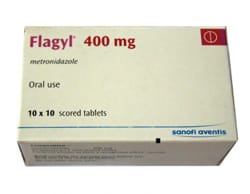
Buy Flagyl Online at the Best Prices Today
Standard Dosage Protocols and Administration
Taking medicine is rarely a one-size-fits-all affair, much like finding the perfect pair of shoes. For adults battling common bacterial infections, doctors often prescribe a standard dose of 250 mg or 500 mg. This isn’t a suggestion; it is a precise blueprint designed to hunt down pathogens effectively.
Timing plays a massive role in how well the medication works within your system. Typically, you will take your dose every 6, 8, or 12 hours, depending on the severity of the infection. It is a rhythmic dance that keeps the drug concentration steady in your bloodstream.
When it comes to your stomach, think of food as a buffer. While you can take it with or without meals, taking it with food can be a lifesaver. Many patients find that a snack helps prevent that notorious metallic taste or the nausea that often accompanies the treatment.
Adult dosages vary significantly based on what you are fighting. A simple dental infection might require a different approach than a severe gastrointestinal issue. Always follow the specific prescription written by your physician to ensure the math is correct for your specific body chemistry.
- Common Infections: 250 mg to 500 mg every 6 to 8 hours.
- Protozoal Infections: Often higher doses, such as 500 mg three times daily.
- Administration: Oral tablets or liquid suspension.
Weight-Based Calculations for Children
When it comes to little ones, the math changes entirely. We cannot simply give a child a slice of an adult dose and hope for the best. Pediatric dosing is a delicate balancing act, calculated strictly by the child’s weight in kilograms to ensure safety.
The standard calculation often starts around 30 to 50 mg per kilogram of body weight per day. This total daily amount is then split into smaller, manageable doses throughout the day. It is a precision game where every milligram counts toward their recovery.
Parents should always use the measuring device provided with the liquid. Using a kitchen spoon is a recipe for disaster, as they are notoriously inaccurate. You wouldn’t measure precious gold with a soup spoon, so don’t measure medicine with one either.
If a child spits up a dose, don’t panic, but do call your pediatrician. They will guide you on whether to re-dose or wait. It is better to be safe than to accidentally double the dose and cause an upset stomach.
| Patient Type | Common Dosage Strategy |
| Adults | Fixed milligram amounts (250-500 mg) |
| Pediatrics | Weight-based (mg/kg) |
The Danger of Stopping Early
It is incredibly tempting to stop taking your pills once you start feeling like a million bucks. When the fever breaks and the pain vanishes, the temptation to toss the bottle in the trash is immense. However, this is a dangerous trap.
Stopping your course prematurely is like leaving a fire smoldering under a rug. You might have extinguished the visible flames, but the embers are still glowing deep inside. The strongest bacteria often survive the first few days, waiting for their chance to strike back.
If you skip doses or quit early, you run the risk of developing antibiotic resistance. This means the next time you get sick, this medicine might be as useless as a screen door on a submarine. It makes the infection much harder to kill.
Think of the full course as a complete mission. You must follow through until the very last pill is swallowed. Completing the regimen ensures that every single rogue microbe is wiped out, leaving no survivors to cause a relapse later on.
Current Market Pricing and Cost Factors
Navigating the pharmacy counter can sometimes feel like wandering through a dense fog without a compass. You walk in expecting a straightforward transaction, but the price tag can hit you like a sudden thunderstorm. Understanding why the numbers fluctuate is the first step toward mastering your healthcare budget effectively.
When you see the name “Flagyl” on a prescription, you are looking at a brand-name product. This carries a premium price, much like a designer handbag compared to a reliable, unbranded alternative. While the active ingredient is identical, the branding can significantly inflate the final bill you pay at the register.
The good news is that generic metronidazole is widely available and serves as a fantastic money-saver. Most patients find that switching to the generic version allows them to get the same medicinal relief without the “brand-name tax.” It is a simple way to keep your wallet from feeling the sting.
However, not all generics are created equal in the eyes of your insurance provider. Some plans may mandate the use of the most cost-effective version available. Always check with your pharmacist to see if a generic substitution is an option for your specific prescription order.
Dosage and Quantity Variables
The strength of the tablet plays a massive role in your total expenditure. A 500 mg tablet might seem like a better deal because you take fewer of them, but that isn’t always the case. Sometimes, buying multiple 250 mg tablets is actually the cheaper route to total relief.
Think of it like buying bulk items at a grocery store. You might find that a large, 100-count bottle of 250 mg pills offers a much lower price per milligram than a small, 10-count pack of 500 mg pills. It is all about doing the math before you reach for your credit card.
Quantity also acts as a heavy lever on the final price. A short, three-day course is a minor expense, but a long-term treatment for a persistent infection can add up quickly. The total pill count determines whether you are looking at a small inconvenience or a significant financial commitment.
To make sense of these moving parts, consider how different combinations of strength and quantity impact your wallet. The following table provides a snapshot of how these variables typically manifest in retail settings. Please note that these figures are estimates and can vary based on your specific location.
| Dosage & Quantity | Estimated Retail Cost | Value Profile |
|---|---|---|
| 250 mg (30 Tablets) | $15 – $25 | Budget-friendly starter |
| 500 mg (30 Tablets) | $25 – $45 | Mid-range standard |
| 500 mg (100 Tablets) | $60 – $90 | Best for long courses |
| Brand Name (Generic Equivalent) | $120 – $200+ | Premium pricing |
Regional Differences and Comparison Tactics
Price is not a static number; it shifts like the tide depending on where you are standing. In a bustling metropolitan area, you might pay more due to high overhead costs for local pharmacies. Conversely, rural areas or regions with different healthcare regulations may see much lower prices for the same medication.
Insurance coverage is another massive variable that can change the landscape overnight. A high-deductible plan might leave you paying the full retail price out of pocket, whereas a robust PPO might cover the bulk of the cost. It is like playing a game where everyone has different rules and different starting points.
To shop smart, you should always compare prices between a local pharmacy and a large national chain. Don’t be afraid to ask, “What is the cash price for this if I don’t use insurance?” You might be surprised to find that the “cash price” is actually lower than your co-pay.
Using price-comparison apps or online tools can also give you a leg up in this market. Some digital platforms allow you to send your prescription to various pharmacies to see who offers the best deal. Being a savvy consumer saves you money that can be better spent elsewhere.
- Check the Generic: Always ask if a generic version is available.
- Compare Quantities: Calculate the price per milligram to find true value.
- Inquire About Cash Price: Sometimes the sticker price is lower than insurance.
- Verify Regional Rates: Prices can vary wildly between different zip codes.
Safe Acquisition and Shipping Logistics
Navigating the digital pharmacy landscape can feel like walking through a minefield without a map. You want your medication delivered to your door, but you don’t want a box of chalk or, worse, something counterfeit. It is vital to vet any vendor before you hand over your hard-earned cash.
A legitimate pharmacy will always operate under the watchful eye of regulatory bodies. Look for a physical address and a verified phone number on their website. If a site looks like it was built in the late nineties and lacks clear contact details, it is likely a wolf in sheep’s clothing.
Always verify if the vendor is licensed in your specific state or region. Many reputable online pharmacies will display a digital seal or certification from recognized pharmaceutical boards. If they refuse to provide proof of their credentials, take that as a massive red flag and run the other way.
The bedrock of any lawful transaction is a valid prescription. You cannot simply “add to cart” and expect a professional medical professional to approve it on the fly. A real pharmacy will require your doctor to send over your medical orders directly to ensure the medication is appropriate.
If a website promises you can skip the doctor entirely and buy Flagyl without a script, they are breaking the law. These “no-prescription” sites are often fronts for counterfeit operations. Never gamble with your health by bypassing the professional oversight that keeps you safe from dangerous interactions.
Shipping Timelines and Packaging Standards
Once you have verified your vendor, the next question is usually, “When will it get here?” Timing depends heavily on where the warehouse is located. Domestic orders are generally the fastest, often arriving within three to five business days through standard postal services or private couriers.
International shipping is a different beast altogether. While it might save you a few bucks, you are looking at a much longer wait time, often spanning two to four weeks. You also face the headache of customs inspections, which can lead to unexpected delays or even seizures at the border.
When the package arrives, the condition of the box tells a story. High-quality vendors use discreet, sturdy packaging to ensure the integrity of your medicine. You shouldn’t see the name of the medication clearly printed on the outside of the shipping box, as this protects your privacy.
Inside, the tablets should be in their original, sealed blister packs or bottles. If the packaging arrives crushed, damp, or the seal is broken, do not use the medication. It is better to demand a replacement than to ingest something that has been compromised by heat or moisture.
Red Flags and Vendor Verification
Staying vigilant is your best defense against online scams. Some vendors use “too good to be true” pricing to lure you in, offering 50% discounts that no legitimate business could sustain. If a price seems like a steal, it probably is—and not in a good way.
Watch out for these common warning signs during your search:
- Lack of Consultation: They never ask for your medical history or a doctor’s note.
- Unusual Payment Methods: They only accept wire transfers, gift cards, or cryptocurrency.
- No Physical Address: The “Contact Us” page is empty or only contains a generic web form.
- Aggressive Marketing: They use high-pressure tactics to make you buy before you think.
A professional pharmacy acts like a partner in your healthcare, not a pushy salesperson. They should be willing to answer questions about their shipping protocols and their licensing. If they dodge your questions, they are likely hiding something significant behind a digital curtain.
Ultimately, the goal is a seamless transition from your doctor’s office to your medicine cabinet. Taking an extra ten minutes to research a vendor can save you weeks of frustration and hundreds of dollars in lost funds. Trust your gut; if something feels off, it probably is.
Comparative Analysis with Alternative Antibiotics
When doctors prescribe Flagyl, they are utilizing the generic form of metronidazole. It is the heavy hitter in the world of nitroimidazoles. While it is the gold standard for certain infections, some patients find themselves looking for alternatives if the side effects become too much to bear.
Choosing between Flagyl and another metronidazole-based option is often a matter of brand versus generic. Some people swear by the brand-name tablets, claiming they dissolve more smoothly. However, from a clinical standpoint, the active ingredient remains the same. The choice often boils down to what your specific pharmacy has in stock.
Sometimes, a physician might pivot to a different class of antibiotics entirely. If the bacteria are stubborn or if there is a known resistance, metronidazole might be sidelined. It is a delicate dance between finding the right chemical key to unlock and destroy the invading pathogens effectively.
If you are standing at a crossroads with your treatment plan, remember that “different” doesn’t always mean “better.” Sometimes the most common choice is the most reliable. Always have a heart-to-heart with your provider before deciding to swap your current regimen for something else.
Efficacy and Bacterial Targets
Flagyl is a specialist, not a generalist. It excels at hunting down anaerobic bacteria and certain parasites. Think of it as a precision tool designed for specific, difficult-to-reach targets. If you are fighting a protozoan infection like Giardia, Flagyl is the undisputed heavyweight champion in the ring.
Other antibiotics, like Clindamycin or Tinidazole, might enter the fray depending on the enemy. Clindamycin is often brought in when dealing with specific aerobic and anaerobic bacteria that Flagyl might miss. It is like bringing a different specialized tool to a construction site to ensure the job gets finished.
Tinidazole is a close cousin to Flagyl. It often stays in your system a bit longer, which can be a double-edged sword. While it might offer more convenience with fewer doses, the side effect profile can be quite similar. It is a choice of tactical preference for the prescribing physician.
The efficacy profile of these drugs depends heavily on the specific strain of bacteria involved. Resistance is a growing shadow in modern medicine. If a patient has failed a previous course of metronidazole, your doctor will likely look toward a different antibiotic class to break the cycle.
Comparing Side Effect Profiles
Every medication comes with a “fine print” list of potential discomforts. With Flagyl, the most infamous side effect is that the metallic, bitter taste in the mouth. It is a strange sensation that can make every meal taste like you are sucking on a copper penny.
Other alternatives might offer a smoother ride in the stomach. For instance, some patients find that switching to a different class of antibiotics helps mitigate the nausea often associated with metronidazole. It is a bit of a trade-off between the intensity of the infection and the intensity of the side effects.
Alcohol is the ultimate “no-no” with Flagyl. The disulfiram-like reaction can be quite violent, causing nausea, vomiting, and rapid heartbeat. While other antibiotics might also have restrictions, the reaction triggered by Flagyl is particularly notorious and must be taken very seriously by the patient.
Comparing these drugs often feels like choosing between two different types of weather. One might be a heavy downpour, while the other is a persistent drizzle. You are looking for the option that manages the infection without making your daily life an absolute misery.
Cost-Benefit Analysis of Medication Switches
Money is always a factor when managing long-term prescriptions. Switching from a generic metronidazole to a brand-name alternative can see your costs jump significantly. You might see a price tag of $15 for a generic month’s supply, whereas a brand-name version might soar to $150.
It is a classic case of weighing the wallet against the well-being. If a switch to a more expensive, newer-generation antibiotic prevents a hospital visit, it is a bargain. However, if the switch is just for a different brand of the same drug, you might be throwing money down the drain.
| Medication Type | Estimated Cost (Monthly) | Primary Benefit |
| Generic Metronidazole | $10 – $30 | High affordability |
| Brand Name Flagyl | $120 – $250 | Brand familiarity |
| Alternative Antibiotic | $50 – $200+ | Targeted efficacy |
Always ask your pharmacist if there are any therapeutic equivalents that might be cheaper. Sometimes, a simple switch in how you fill your prescription can save you a significant amount of cash. It is worth the five minutes of conversation to ensure you aren’t overpaying for the same result.
Usage Scenarios and Clinical Indications
When your digestive system decides to go on strike, Flagyl often steps into the ring as the primary defender. It is particularly famous for tackling parasitic invaders like Giardia and Entamoeba histolytica. These little troublemakers cause havoc in the gut, leading to symptoms that can make your life feel like a constant battle with your own biology.
Amoebiasis is another heavy hitter on the list of intestinal issues. This infection can be quite stubborn, turning a simple stomach ache into a full-blown medical ordeal. Doctors frequently rely on this medication to clear out the amoebae before they can cause deeper, more systemic damage to the lining of your intestines.
If you find yourself traveling to areas where water quality is a gamble, the shadow of Giardiasis often looms large. It is a classic “traveler’s woe” that requires a precision strike to eradicate. Flagyl provides that targeted hit, ensuring the parasites are neutralized before they can settle in for a long stay.
Beyond the gut, this medication is a workhorse for managing various anaerobic bacterial infections. These are the microbes that thrive in environments where oxygen is scarce. They are like silent ninjas, lurking in deep tissue or abscesses, waiting for the right moment to cause significant inflammation and pain throughout the body.
Pelvic and Dental Applications
The scope of this medication extends into the pelvic cavity as well. For certain types of pelvic inflammatory disease (PID), doctors may prescribe it to ensure the bacteria are completely eradicated. It is a critical component in preventing long-term complications that could affect reproductive health if left untreated.
It is not just about internal organs; your mouth is also a common battlefield. Dental-related infections, particularly those involving anaerobic bacteria in the gums or around the roots of teeth, are frequently managed with this drug. It helps clear out the infection that might be causing that throbbing, unbearable ache.
If a dentist or surgeon is dealing with a deep-seated abscess or a complex periodontal issue, Flagyl is often part of the tactical plan. It works hard to reach the areas where oxygen cannot penetrate, tackling the bacteria that other, more aerobic-focused antibiotics might simply walk right past.
Clinical Decision Making
A physician might opt for this specific medication over other options when the suspected culprit is clearly anaerobic. It is a matter of choosing the right tool for the specific job at hand. Using a broad-spectrum antibiotic when a targeted approach is needed is like using a sledgehammer to hang a picture frame.
There are also moments when a physician looks at the patient’s history and decides this is the best path forward. If a patient has previously failed a different class of antibiotics, switching to this one can break the cycle of infection. It is a strategic pivot designed to regain control over a stubborn illness.
Ultimately, the decision is a delicate dance between the severity of the infection and the patient’s medical profile. A doctor weighs the potential for side effects against the necessity of killing the specific pathogen. It is a calculated move aimed at achieving the fastest and safest recovery possible for the individual.
- Treatment of Giardiasis in intestinal distress.
- Eradication of Amoebiasis to prevent gut damage.
- Management of deep-seated anaerobic bacterial infections.
- Addressing specific types of pelvic inflammatory disease.
- Combating complex dental infections and abscesses.
Safety Precautions and Interaction Risks
Imagine you are walking a tightrope while a storm brews on the horizon. That is essentially what happens if you mix alcohol with Flagyl. This isn’t just a minor inconvenience; it is a biological collision. The medication interferes with how your body breaks down ethanol, leading to a sudden, overwhelming reaction.
The “disulfiram-like reaction” can strike without warning. You might experience intense nausea, palpitations, or a crushing headache that feels like a heavy weight on your chest. It is a visceral, unpleasant experience that can leave you feeling utterly spent. Think of it as a chemical revolt within your own system.
To play it safe, you must avoid all alcoholic beverages during your treatment. This rule doesn’t expire the moment you swallow your last pill. You should wait at least three full days after your final dose before even considering a drink. Better to be cautious than to face a midnight emergency in a hospital.
Managing the common side effects can feel like a small battle of its own. Many patients report a persistent metallic taste in their mouth, which makes everything from coffee to steak taste like pennies. It is a strange, lingering sensation that can make mealtime quite a chore.
Nausea is another frequent visitor on the list of side effects. To keep your stomach from turning, try taking the medication with food rather than on an empty stomach. Small, frequent meals can act as a buffer, helping to dampen the waves of discomfort that often come with the territory.
If the nausea becomes too much to handle, don’t just suffer in silence. Speak with your doctor about adjusting your schedule or finding a way to mitigate the discomfort. Sometimes, a little bit of ginger tea or simply changing the timing of your dose can make a massive difference.
Navigating Drug Interactions
Your body is a complex chemistry lab, and adding a potent medication like Flagyl can disrupt the delicate balance. Certain drugs might fight for the same pathways in your liver, either boosting or lowering the concentration of the medicine in your blood. This can make the treatment less effective or more toxic.
Common culprits include certain blood thinners, such as Warfarin. If you are on anticoagulants, the interaction can be quite serious, potentially increasing your risk of bleeding. It is vital to keep your doctor in the loop about every single supplement and over-the-counter pill you take regularly.
Other medications like certain anticonvulsants or even some common heartburn remedies might interfere with how your body processes the drug. It is best to treat every new prescription as a conversation starter. Never assume a doctor knows everything you are taking unless you have explicitly told them.
Pregnancy and Nursing Considerations
When it comes to pregnancy, the stakes are incredibly high. Because Flagyl is designed to be a heavy hitter against bacteria, there is a concern about how it might affect a developing fetus. Most doctors are very cautious and will only prescribe it if the benefits clearly outweigh any potential risks.
If you are planning to become pregnant, or if you discover you are already expecting, tell your physician immediately. They will perform a careful risk-benefit analysis to decide if this is the safest route for you and your baby. It is better to explore alternative therapies if possible.
For those who are breastfeeding, the situation requires similar scrutiny. The medication can pass into breast milk, which means your little one might be exposed to the drug. Discuss the pros and cons with your healthcare provider to determine if you should pause nursing or switch medications temporarily.
When to Seek Urgent Medical Attention
While most side effects are manageable, some signs indicate a serious emergency. If you experience signs of an allergic reaction, such as hives, swelling of the face, or difficulty breathing, stop the medication and seek help immediately. These are red flags that your body is rejecting the treatment.
Watch out for more severe neurological symptoms. If you notice sudden confusion, dizziness, or even tremors, do not wait for the next scheduled dose. These symptoms can indicate that the medication is affecting your central nervous system in a way that requires immediate medical intervention.
Lastly, keep an eye out for severe abdominal pain or persistent vomiting that prevents you from keeping fluids down. Dehydration can quickly turn a bad situation into a dangerous one. If your symptoms feel “off” or significantly worse than expected, trust your gut and call your doctor right away.
| Risk Factor | Action Required | Severity |
| Alcohol Consumption | Avoid all alcohol for 3 days post-treatment | High |
| Metallic Taste/Nausea | Take with food; consult doctor if severe | Moderate |
| Allergic Reaction | Seek emergency medical care immediately | Critical |
| Neurological Changes | Contact physician immediately | High |