
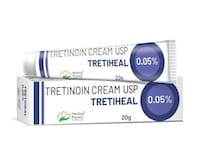
Buy Tretinoin Cream Online at the Best Price
Mastering Your Tretinoin Application Routine
Think of your skin like a sensitive garden. If you pour a heavy dose of fertilizer on a dry sprout, you might end up with scorched leaves. Tretinoin works similarly. It is a powerful retinoid that demands respect, not just a casual glance. Applying it incorrectly can turn your glowing complexion into a desert of peeling skin and irritation.
The golden rule is “less is more,” though many beginners find this hard to swallow. You only need a pea-sized amount for your entire face. I once saw a friend use a dollop the size of a nickel, and she spent the next week looking like she’d been in a windstorm. Consistency beats intensity every single time.
Timing is your best friend when navigating this chemical landscape. Most dermatologists suggest applying it at night because sunlight can destabilize the active ingredient. It is a slow burn, working deep within your skin cells while you dream. If you use it during the day, you might as well be throwing your expensive cream into the trash.
Your skin needs a sturdy shield to survive the initial adjustment phase. Many people jump straight into the deep end without a life jacket. Building a “buffer” is a game-changer for those with sensitive skin. This simple step can prevent the dreaded “retinoid uglies” that many novices experience during their first month of use.
The Art of the Sandwich Technique
If your skin feels like it is being scraped with sandpaper, try the sandwich method. This involves applying a lightweight moisturizer, then your tretinoin, and finally another layer of moisturizer. It creates a protective barrier that slows down the penetration rate, making the transition much smoother for your delicate facial skin.
This technique is a lifesaver for those who suffer from redness or dryness. It doesn’t make the ingredient less effective; it simply eases the skin into the process. Think of it as training for a marathon. You wouldn’t run twenty miles on your first day, so don’t expect your skin to handle high doses immediately.
I remember my first time trying this. I was terrified of the redness I had heard so much about. By layering, I managed to avoid the dreaded peeling phase entirely. It felt like giving my skin a soft cushion to rest on while the magic happened underneath the surface layers.
You should also ensure your skin is completely dry before applying the cream. Applying tretinoin to damp skin is like pouring gasoline on a fire. Moisture can increase absorption too rapidly, which significantly heightens the risk of irritation. Wait at least twenty minutes after washing your face before you even touch the tube.
Building Your Nightly Support System
Your routine shouldn’t just be about the active ingredient; it is about what you use alongside it. You need to avoid other harsh exfoliants like Salicylic Acid or Benzoyl Peroxide during your nightly tretinoin window. Mixing too many heavy hitters can lead to a chemical burn that takes weeks to heal.
Hydration is your ultimate ally in this battle for clear skin. Look for ingredients like Hyaluronic Acid and Ceramides to fortify your skin barrier. These are the mortar between the bricks of your skin cells. Without them, the tretinoin might leave your face feeling tight, itchy, and perpetually thirsty.
Sun protection is non-negotiable, whether it is cloudy or sunny. Tretinoin makes your skin more susceptible to UV damage through a process called photosensitivity. If you skip the SPF 30+ in the morning, you are essentially undoing all the anti-aging progress you worked so hard to achieve overnight.
Below is a sample schedule to help you keep your bearings during the first few weeks of treatment:
| Time of Day | Key Step | Goal |
| Morning | Gentle Cleanser + SPF 30+ | Protect and Hydrate |
| Evening (Week 1-2) | Moisturizer + Pea-sized Tretinoin | Acclimatization |
| Evening (Week 3+) | Cleanser + Tretinoin + Rich Cream | Full Strength Results |
If you find yourself needing to buy supplemental products, keep an eye on the price. A high-quality, fragrance-free moisturizer might cost $25 to $45, but it is a vital investment. Skipping the moisturizer to save a few bucks could end up costing you much more in dermatologist visits later on.
Listen to your skin’s subtle cues. If you notice stinging or persistent redness, take a break. It is better to pause for two nights than to push through and cause a massive inflammatory response. Skin health is a marathon, not a sprint, so take it one night at a time.
Comparing Tretinoin Concentrations and Formulations
Choosing the right strength can feel like navigating a minefield without a map. Some people dive straight into the deep end with high percentages, only to find themselves peeling like a sunburned tourist. It is a common mistake that often leads to frustration rather than the glowing complexion everyone is chasing.
The concentration of your cream dictates how aggressively it communicates with your cells. A lower dose is like a gentle whisper, nudging your skin to behave better over time. Conversely, a high dose is a loud command that demands immediate attention, often resulting in a bit of chaos during the initial adjustment period.
You might find that a 0.025% strength is perfectly sufficient for your needs. Many dermatologists suggest starting here to build a tolerance. It is better to start slow and steady than to burn your skin barrier to a crisp before you even see the first sign of improvement.
Once your skin has settled into a rhythm, moving up to 0.05% or 0.1% might be the logical next step. Think of it as upgrading your workout intensity. You wouldn’t lift fifty pounds on your first day at the gym, so your skin deserves that same gradual, progressive approach to strength.
Creams versus Gels and Lotions
The vehicle—whether it is a cream, gel, or lotion—is just as important as the active ingredient itself. Creams are typically the heavy lifters for those with dry or sensitive skin. They offer a bit of extra moisture that can act as a cushion, making the application feel much more luxurious.
Gels, on the other hand, are often preferred by those with oily or acne-prone skin. They absorb almost instantly, leaving no greasy residue behind. However, they can be a double-edged sword; because they absorb so quickly, they might also penetrate more deeply and cause more intense irritation.
Lotions serve as a middle ground, providing a lighter texture than a heavy cream but more substance than a thin gel. Finding your “Goldilocks” formulation is a personal journey. What works for your best friend might leave your face feeling like a desert, so experimentation is key to your success.
The following table provides a general overview of how different formulations and strengths typically compare in terms of common market pricing and usage patterns:
| Formulation Type | Typical Strength | Estimated Monthly Cost | Best For Skin Type |
|---|---|---|---|
| Cream (Gentle) | 0.025% | $35 | Dry or Sensitive |
| Cream (Standard) | 0.05% | $45 | Combination Skin |
| Gel (Intense) | 0.1% | $55 | Oily or Stubborn Acne |
| Lotion (Lightweight) | 0.05% | $40 | Normal Skin |
It is vital to remember that higher concentrations do not always mean better results. A common myth is that “stronger is always better,” but that is a recipe for disaster. If your skin is screaming in pain, the strength is too high, regardless of what the bottle promises.
Always keep an eye on your budget when switching between these options. While the high-strength gels might seem like a bargain because they last longer, the potential cost of repairing a damaged skin barrier can be quite high. Investing in the right concentration is a long-term play for your skin’s health.
Ultimately, your skin is the final judge of what works. If you find that a 0.05% cream makes you flake like a pastry, don’t be afraid to retreat to a 0.025% cream or even a moisturizer-heavy sandwich technique. There is no shame in taking the scenic route to achieving your skincare goals.
Navigating the Cost of Prescription Retinoids
Opening your wallet for a prescription shouldn’t feel like a punch to the gut. While the clinical benefits of tretinoin are well-documented, the price tag can sometimes feel as intimidating as a complex medical procedure. It is easy to get lost in a sea of pharmacy labels and insurance fine print.
Many patients find themselves caught between the high price of brand-name tubes and the varying quality of generics. It is a bit like shopping for groceries; you can go for the premium organic brand, or you can opt for the store label that gets the job done. Both paths lead to the same destination, but the journey costs differently.
Understanding the math behind your regimen is essential for long-term success. If the cost of your cream is eating into your coffee budget, you might be tempted to skip nights. This inconsistency can undo all your hard work, turning your skincare routine into a game of musical chairs with your complexion.
Budgeting for skincare is a marathon, not a sprint. You need to account for the active ingredient, the delivery vehicle, and the inevitable “buffer” products like heavy moisturizers. When you factor in the cost of repairing a compromised skin barrier, the “cheap” option might actually end up being the most expensive.
Smart Ways to Save Money
One of the most effective ways to trim the fat is to utilize mail-order pharmacies. These services often undercut local retail prices by a significant margin. It is a small change that can save you a chunk of change over the course of a full year of consistent treatment.
Don’t be afraid to ask your doctor about generic alternatives. In many cases, the active ingredient is identical, meaning you are essentially paying for the name on the box rather than the medicine inside. It is a simple way to keep your skin glowing without breaking the bank.
Sometimes, a little bit of detective work goes a long way. Using discount platforms or checking with your insurance provider can reveal hidden savings you might have overlooked. It might take a few phone calls, but those few minutes of effort can translate into hundreds of dollars saved.
Keep in mind that “more” isn’t always “better” when it comes to how much you apply. A pea-sized amount is all you need for your entire face. Using a glob of cream won’t speed up the results; it will only increase the frequency of your refills and your monthly expenses.
- Mail-Order Pharmacies: Often provide much lower base prices for generic prescriptions.
- Generic vs. Brand: Look for generic tretinoin to avoid the “luxury” markup of name brands.
- Insurance Coverage: Always verify if your specific plan covers topical retinoids under pharmacy benefits.
- Bulk Purchasing: Some providers offer discounts if you opt for a 90-day supply instead of a 30-day supply.
The financial side of skincare is often a balancing act. You want the most effective treatment, but you don’t want to live on ramen noodles to afford it. Finding that sweet spot between clinical efficacy and personal affordability is the key to staying the course.
If you find that the cost of your prescription is becoming a burden, talk to your dermatologist. They may be able to suggest a different formulation or a different way to manage your prescription that is more cost-effective. They are your allies in this journey, not just the gatekeepers of the cream.
Ultimately, the most expensive skincare routine is the one that you can’t afford to finish. Consistency is the absolute king of retinoid use. If the price tag makes you hesitate to stay consistent, it is time to rethink your approach and find a more sustainable path forward.
Sourcing and Safe Online Purchasing Strategies
The digital age has turned the pharmacy aisle into a vast, invisible landscape. While it is tempting to click “buy now” on a random website promising a steep discount, you must tread carefully. The internet can be a minefield of counterfeit products that offer nothing but disappointment and potential skin irritation.
Treating your face like a testing ground for unverified chemicals is a recipe for disaster. I once knew a woman who bought a “miracle” cream from a social media ad for $15. She ended up with a chemical burn that took months to heal. Always verify the legitimacy of your digital vendor before handing over your credit card.
Authentic tretinoin is a controlled substance that requires a prescription from a licensed healthcare professional. If a website offers to ship it to you without a doctor’s oversight, run the other way. These “no prescription required” sites are often operating in the shadows, selling substances that may be expired or improperly stored.
A legitimate online pharmacy will always ask for a valid prescription from your physician. They should also provide clear contact information and a physical address. If the website looks like it was designed in a basement in 1998 and lacks any customer service phone number, consider it a massive red flag.
Identifying Reputable Digital Pharmacies
When you are hunting for the best deals, you might stumble upon various “discount” sites. Some are legitimate players in the industry, while others are nothing more than digital ghosts. It is vital to look for specific markers of credibility to ensure you are getting the real deal.
Look for pharmacies that are accredited by organizations like the National Association of Boards of Pharmacy. This accreditation is like a seal of approval that tells you the business follows strict safety and quality standards. It provides a layer of protection that “fly-by-night” websites simply cannot offer.
Checking third-party reviews can be a lifesaver, but take them with a grain of salt. While many reviews are genuine, some can be fabricated to boost a site’s reputation. Look for patterns in the feedback. If dozens of people complain about receiving the wrong item, believe them.
A safe pharmacy will also be transparent about their shipping and return policies. You should know exactly how much the shipping will cost and what happens if the tube arrives damaged. If the terms and conditions are written in a way that feels like a legal maze, proceed with extreme caution.
| Feature | Reputable Pharmacy | Red Flag Site |
| Prescription Required | Yes, always | No, “instant” checkout |
| Price Point | Fair market value | Suspiciously low (e.g., $5) |
| Contact Info | Phone and physical address | Only a generic email form |
| Accreditation | Verified/Recognized | None or fake logos |
Protecting Your Personal and Financial Data
Beyond the cream itself, you are sharing sensitive medical and financial information. This data is as valuable as gold to hackers. Using a public Wi-Fi network to purchase your prescription is like leaving your front door wide open in a crowded city. It is an invitation for trouble.
Always ensure the website uses “https” in the URL, which indicates an encrypted connection. That little padlock icon in your browser bar is your first line of defense. It means your credit card number is being scrambled so that a thief can’t simply pluck it out of the air.
Consider using a dedicated payment method like a credit card rather than a debit card. Credit cards often offer much stronger fraud protection and make it easier to dispute a charge if a package never arrives. It is an extra layer of armor for your hard-earned money.
If you are worried about privacy, some people prefer using a third-party payment processor like PayPal. This adds a buffer between your primary bank account and the retailer. It is a small, simple step that provides significant peace of mind when navigating the complexities of online commerce.
- Verify Accreditation: Look for NABP or VIPPS certification to ensure safety standards.
- Check the URL: Ensure the site uses secure encryption (https://) before entering any data.
- Avoid Public Wi-Fi: Never conduct financial or medical transactions on unsecured networks.
- Read Fine Print: Understand the shipping costs and return policies before hitting “submit.”
Shipping Logistics and Product Integrity
The Fragility of Active Ingredients
Tretinoin is a bit of a prima donna when it comes to its environment. This potent retinoid is notoriously sensitive to light and heat, meaning the journey from the warehouse to your doorstep is a high-stakes race. If a delivery driver leaves a package on a sweltering porch in July, the cream might lose its punch before you even open it.
Think of the chemical stability as a delicate dance. Exposure to UV rays can trigger a breakdown in the molecular structure, rendering your expensive treatment nothing more than an overpriced moisturizer. You aren’t just paying for the cream; you are paying for the science that keeps those active molecules alive and kicking during transit.
When checking your order, always inspect the packaging for signs of tampering or damage. A cracked seal or a dented tube isn’t just a cosmetic issue; it is a red flag for potential oxidation. If the product looks like it has been through a wrestling match, do not hesitate to demand a replacement immediately.
I once knew a patient who waited weeks for a shipment, only to find the cream had turned a strange color due to heat exposure. It was a heartbreaking waste of time and money. Always verify that your pharmacy uses climate-controlled shipping methods if you live in a particularly harsh or tropical climate.
Navigating Delivery Timelines and Costs
Shipping costs can be a sneaky little thief, creeping up on you at the final checkout screen. You might see a great price for the cream, but then find yourself staring at a $15 shipping fee. It is vital to account for these extra costs when comparing different online pharmacies to find the true value.
Delivery speed is another variable that can make or break your skincare routine. If you are running low on your current supply, you cannot afford a “standard shipping” option that takes three weeks to arrive. Always look for pharmacies that offer expedited tracking so you can keep a close eye on your package’s progress.
Sometimes, the cheapest shipping option is a double-edged sword. While saving $5 might seem like a win, it often means your package is tossed into a sorting bin without any real oversight. For a sensitive medical product, a slightly more expensive, tracked service is worth every single penny for the added security.
Keep a detailed log of your tracking numbers and delivery dates. If a package goes missing in the digital void, having a clear paper trail is your best weapon for securing a refund. Being proactive about your logistics can save you a massive headache and several weeks of waiting in vain.
| Shipping Factor | Ideal Scenario | Risk Factor |
| Temperature Control | Insulated or climate-controlled | Unprotected in extreme heat/cold |
| Tracking Ability | Real-time, end-to-end tracking | No tracking or “estimated” only |
| Packaging Integrity | Tamper-evident, sturdy box | Thin envelope or crushed box |
Managing Side Effects and Skin Sensitivity
Navigating the Retinoid Purge
Jumping into a high-strength tretinoin regimen can feel like inviting a storm into your skincare routine. Many users report a phenomenon known as “purging,” where underlying congestion surfaces all at once. It is not a sign that the cream is failing; rather, it is the active ingredient working overtime to clear your pores.
Think of it as a deep house cleaning. You might move a few dusty boxes around before everything looks tidy, and your skin is no different. Expect some minor redness or a slight tingling sensation as your cellular turnover accelerates. While it feels a bit unsettling, this phase is often a temporary rite of passage.
If your skin starts to peel like old wallpaper, don’t panic. This is a common side effect that signals your skin is adjusting to the new potency. Instead of reaching for harsh scrubs, focus on heavy-duty hydration to soothe the irritation. Patience is your best ally during this transformative, albeit sometimes bumpy, transition period.
I remember a client who was so terrified by the initial redness that she abandoned her routine entirely. She missed out on incredible results because she mistook a normal adjustment for an adverse reaction. If you stay the course and support your skin barrier, the “glow” usually follows the “glow-up.”
Strategies for Minimizing Irritation
The “sandwich method” is a secret weapon for those with particularly delicate or sensitive skin. This technique involves applying a thin layer of moisturizer, followed by your tretinoin, and then another layer of moisturizer on top. This creates a buffer that slows down absorption without completely neutralizing the medication’s effectiveness.
Timing your application is also a crucial piece of the puzzle. Many dermatologists suggest applying the cream to completely dry skin to prevent it from soaking too deeply and too quickly. If you apply it to damp skin, you might find yourself waking up with a face that feels like it’s on fire.
Frequency is another lever you can pull to control sensitivity. You don’t have to dive into the deep end immediately. Starting with two or three nights a week allows your skin to build a tolerance. Gradually increasing the frequency is much more sustainable than forcing a daily application that leads to a broken barrier.
Always keep a “rescue kit” on hand for those particularly rough nights. A thick, fragrance-free ointment and a soothing cica balm can work wonders if your skin starts to feel tight or looks angry. Think of these as your safety net while you navigate the steep learning curve of retinoids.
Be mindful of other active ingredients in your bathroom cabinet. Using Vitamin C, AHAs, or BHAs in the same session as tretinoin is like adding fuel to a fire. To keep your skin from becoming a battlefield, try using your acids in the morning and your tretinoin at night.
- Moisturize Heavily: Use a ceramide-rich cream to repair the skin barrier.
- Skip the Scrub: Avoid physical exfoliants while your skin is adjusting.
- Sun Protection: Tretinoin increases sun sensitivity; SPF 30+ is non-negotiable.
- Listen to Your Skin: If it burns, take a few days off.
| Symptom | Severity Level | Suggested Action |
| Mild Peeling | Low | Increase hydration and use a gentle cleanser. |
| Persistent Redness | Moderate | Reduce frequency of application to 2x per week. |
| Burning/Stinging | High | Stop use immediately and consult your doctor. |