
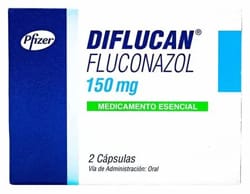
Buy Diflucan Online: Best Prices and Fast Shipping
Managing Fluconazole Dosage and Administration
Think of your medication like a recipe for a delicate soufflé. If you follow the instructions to the letter, everything rises perfectly, but a slight slip in timing can ruin the whole batch. When a doctor prescribes Diflucan, they aren’t just tossing pills into a bag. They are crafting a specific chemical rhythm to combat an infection.
The dosage is never a “one size fits all” situation. A young, healthy adult fighting a simple yeast infection might only need a single 150mg dose. However, for someone battling a more stubborn, systemic fungal issue, the strategy changes entirely. It becomes a marathon rather than a sprint, requiring consistent daily intake to keep the fungus at bay.
Timing is the heartbeat of effective treatment. You should aim to take your dose at the same time every day to maintain a steady level of the drug in your bloodstream. Missing a dose is like letting a thief slip through a window; it gives the infection a chance to regain its footing and start building defenses again.
Always keep a log if you find yourself prone to forgetfulness. Some people find that setting a recurring alarm on their phone works wonders. Others prefer linking the pill to a daily habit, like brushing their teeth. Whatever method you choose, consistency is your strongest ally in this microscopic war.
Tailoring the Dose to Your Body
Your kidneys act as the body’s filtration system. They play a massive role in how you process fluconazole. If your kidneys aren’t working at full capacity, the medication can linger too long, turning a helpful tool into a potential burden. Doctors must adjust the math to ensure your safety.
For patients with renal impairment, the dosage might be halved or the frequency reduced. It is a delicate balancing act. You wouldn’t want to pour too much fuel into an engine that is already running hot, and the same logic applies to how your body handles this specific antifungal medication.
Pregnancy and breastfeeding add another layer of complexity to the equation. Doctors often tread carefully here, weighing the benefits against the risks. Always be honest with your healthcare provider about any changes in your health status or if you suspect you might be expecting, as it shifts the entire protocol.
Weight and age also play their parts in the grand scheme of things. While there isn’t a strict “weight-based” formula like there is for some antibiotics, your overall physiological profile dictates how much of the drug stays active. Listen closely when your physician discusses these nuances during your consultation.
Common Administration Guidelines
Most people find that taking Diflucan with or without food makes no significant difference in how the drug is absorbed. You can take it with a hearty breakfast or on an empty stomach. However, if you notice your stomach feeling a bit unsettled, try taking it alongside a light snack.
If you happen to miss a dose, don’t try to double up the next day to “catch up.” That is a recipe for side effects. Simply take the missed dose when you remember, unless it is almost time for your next scheduled dose. If you are close to the next one, just keep going.
It is also wise to consider what else you are putting into your body. Certain herbal supplements or even some over-the-counter medications can clash with fluconazole. Think of it like a crowded elevator; when too many things are trying to move at once, things can get a bit bumpy and uncomfortable.
Below is a general overview of how dosing might look, though your doctor’s specific orders always take the lead:
| Condition Type | Typical Dosage Strategy | Estimated Out-of-Pocket Cost (Single Dose) |
| Vaginal Candidiasis | Single 150mg dose | $15 – $30 |
| Oral Thrush | Daily dosing for 7-14 days | $40 – $75 |
| Systemic Infections | Variable; often 200mg – 400mg daily | $100+ (requires prescription oversight) |
Keep in mind that prices are merely estimates. Depending on your insurance provider and the pharmacy you choose, the final price at the register might fluctuate. It is always a smart move to call ahead and verify the cost before you make a trip to the pharmacy counter.
Cost Analysis and Pricing for Diflucan
Navigating the financial side of a prescription can feel like walking through a thick fog. You might walk into a pharmacy expecting a simple transaction, only to find that the price tag has a few extra zeros attached to it. It is a common headache for many patients.
Fluctuating costs often depend on whether you are buying generic fluconazole or the brand-name Diflucan. While the active ingredient remains the same, the manufacturer’s name can sometimes carry a premium price. Being aware of these differences can save you a significant amount of money over time.
Insurance coverage is the biggest wildcard in this equation. Some plans treat antifungals as a Tier 1 drug, meaning you only pay a small copay. Other plans might require you to meet a deductible before they chip in a single cent toward your medication costs.
Pharmacy choice also plays a massive role in your final bill. Large retail chains might have different pricing structures than small, independent local pharmacies. It never hurts to shop around a little bit to see where you can get the best bang for your buck.
Factors Influencing Your Total Expense
The quantity of pills you receive is the most obvious factor. A single dose for a simple yeast infection is a minor expense, but a long-term regimen for a systemic issue can add up quickly. It is like buying coffee; a single cup is cheap, but a monthly subscription adds up.
Your insurance provider’s formulary is the rulebook that dictates your spending. If your doctor prescribes a specific dosage that isn’t on the “preferred” list, you might find yourself footing a larger portion of the bill. Always check your benefits guide before the pharmacist rings you up.
Generic versus brand-name availability is a tale as old as time. Generics are usually the budget-friendly hero in this story. If your doctor doesn’t specifically mandate the brand name, opting for the generic version is often the smartest move for your wallet.
Sometimes, a manufacturer’s discount card can be a lifesaver. These coupons can bridge the gap between what your insurance covers and what you can actually afford to pay out of pocket. They are often tucked away on the manufacturer’s website, waiting to be discovered.
The following table provides a snapshot of how different procurement options might impact your wallet:
| Option Type | Quantity/Duration | Estimated Cost |
| Generic Fluconazole | Single 150mg Pill | $10 – $25 |
| Brand Name Diflucan | Single 150mg Pill | $45 – $80 |
| Generic Monthly Supply | 30-Day Course | $30 – $60 |
| Brand Name Monthly Supply | 30-Day Course | $150 – $300+ |
Keep in mind that these figures are just ballpark estimates. Prices can shift like sand in the wind depending on your location, your specific pharmacy, and the current market supply. Never assume the price on a website is exactly what you will pay at the counter.
It is always wise to ask your pharmacist for the “cash price” if you are paying out of pocket. Sometimes, the cash price is actually lower than your insurance copay, which feels like finding a twenty-dollar bill in an old jacket. It is a small win that counts.
If you find yourself needing long-term treatment, discuss a 90-day supply with your doctor. Many insurance companies offer much better rates for larger quantities delivered directly to your home. It is a simple way to streamline your care and your spending simultaneously.
Sourcing Fluconazole Safely Online
The digital marketplace is a sprawling jungle, filled with both golden opportunities and hidden traps. When you decide to skip the local drugstore and look toward the internet, you are essentially entering a high-stakes game of chance. You want convenience, but you also want peace of mind that the pills in your hand are legitimate.
It is easy to get seduced by a flashy website offering “miracle cures” at a fraction of the price. However, a low price tag can sometimes be a red flag rather than a bargain. If a deal seems too good to be true, it usually is. Don’t let a cheap price tag blind you to the potential risks.
Navigating these digital waters requires a sharp eye and a bit of healthy skepticism. You wouldn’t buy a used car from a stranger in a dark alleyway, so why treat your medication any differently? Safety must always remain your north star when you are clicking through various online pharmacy portals.
Before you hit that “buy” button, you must ensure you are dealing with a legitimate entity. A reputable pharmacy will always ask for a valid prescription from a licensed healthcare provider. If they are willing to ship medication without a doctor’s note, you are likely looking at a counterfeit operation.
Identifying Verified Digital Pharmacies
Look for the “VIPPS” seal or similar accreditation markers on the website’s homepage. These symbols act like a digital badge of honor, signifying that the pharmacy meets strict standards for quality and safety. It is the equivalent of checking a restaurant’s health inspection score before sitting down to eat.
A legitimate online pharmacy should provide clear contact information, including a physical address and a working phone number. If the only way to reach them is through a vague “contact us” form, proceed with extreme caution. You need to know there is a real person behind the screen.
Check for a valid, licensed pharmacist on the site. Most reputable platforms will list their pharmacy license number or provide a link to the state board that regulates them. This transparency is a hallmark of a professional business that has nothing to hide from its customers.
Read the fine print regarding shipping and returns. A professional outfit will have a clear policy on how they handle damaged goods or incorrect orders. If the terms and conditions are written in a way that feels intentionally confusing, it is time to close that tab and walk away.
When evaluating your options, keep this checklist in mind to avoid falling into a trap:
- Verify the presence of a valid prescription requirement.
- Confirm the site displays a physical, verifiable address.
- Look for accreditation seals from recognized health authorities.
- Ensure there is a clear, transparent return policy.
- Avoid any site that promises “no prescription required” for controlled substances.
The Risks of Unregulated Sellers
Buying from “rogue” websites is like playing Russian roulette with your health. These unregulated sellers often bypass the rigorous testing that ensures the correct dosage is actually in the pill. You might think you are getting a 150mg dose, but you could be swallowing nothing but chalk or something much worse.
Contamination is a silent killer in the world of counterfeit medication. Without strict manufacturing oversight, pills can be tainted with heavy metals, incorrect active ingredients, or even dangerous fillers. It is a gamble where the stakes are your physical well-being, and the house always wins.
There is also the issue of identity theft. Many shady websites are merely fronts designed to harvest your credit card information and personal data. Once they have your details, they can sell them on the dark web, leaving you to deal with the aftermath of fraud for years.
If you find a website that feels “off,” trust your gut. That little voice in the back of your head is often your best defense against a scam. It is better to spend a few extra dollars at a verified source than to lose everything to a digital thief.
To help you decide which route to take, consider this comparison of sourcing methods:
| Sourcing Method | Pros | Cons |
| Local Retail Pharmacy | Highest safety; immediate pickup. | Higher prices; limited hours. |
| Accredited Online Pharmacy | Convenient; often cheaper. | Requires waiting for shipping. |
| Unregulated “No-Rx” Sites | Extremely low cost. | High risk of fakes or fraud. |
Therapeutic Uses and Clinical Scenarios
When doctors prescribe fluconazole, they are essentially sending in a specialized task force to tackle fungal invaders. This medication works by disrupting the cell membranes of fungi, effectively starving them of the structural integrity they need to survive. It is not a magic wand, but it is a heavy hitter in the world of antifungal therapy.
Most patients encounter this medication when dealing with common, yet incredibly irritating, yeast infections. These can manifest as vaginal candidiasis, which often feels like a burning fire that just won’t go out. For many women, a single dose can act as a “reset button” for their internal flora, providing much-needed relief from itching and discharge.
Beyond the common complaints, the clinical applications stretch into much more serious territory. In hospital settings, doctors might use it to fight systemic infections that have entered the bloodstream. In these high-stakes scenarios, the medication acts as a critical line of defense against opportunistic pathogens that prey on the vulnerable.
It is important to remember that while it is a versatile tool, it is not a one-size-fits-all solution. A doctor will weigh the severity of the infection against the patient’s medical history. Using it incorrectly can be like bringing a knife to a gunfight; it simply won’t do the job if the strain is resistant.
Common Fungal Infections
Oral thrush is a frequent guest in the mouth, particularly for those with weakened immune systems or those using inhalers for asthma. It appears as white patches that look like cottage cheese on the tongue or inner cheeks. Dealing with it can feel like having a constant, sandpaper-like irritation throughout your entire mouth.
Skin infections also fall under this umbrella, such as tinea versicolor or athlete’s foot. These fungal issues can make you feel self-conscious and physically uncomfortable. While topical creams are often the first line of defense, oral fluconazole is frequently brought in when the infection refuses to budge or spreads too widely.
The cost of managing these infections can vary widely depending on where you source your pills. A standard course might run you around $20 to $50 at a local pharmacy. However, if you are dealing with a persistent issue that requires multiple prescriptions, those costs can certainly add up over time.
Always keep a close eye on how your body reacts to the medication. While it is generally well-tolerated, some people find that it makes them feel a bit “off” or causes mild nausea. If you start feeling like you’ve hit a wall, don’t just push through the discomfort; call your healthcare provider immediately.
Severe and Systemic Applications
For patients fighting more aggressive, systemic fungal infections, the stakes are significantly higher. These infections can affect the blood, meninges, or even the lungs. In these cases, the medication is often part of a complex cocktail of drugs designed to prevent the fungus from taking over the entire body.
Immunocompromised individuals, such as those undergoing chemotherapy or living with HIV/AIDS, are at a much higher risk. For them, a fungal infection isn’t just an annoyance; it is a serious medical emergency. In these clinical settings, the timing of the dose is absolutely critical to preventing a full-blown crisis.
Medical professionals often monitor liver function closely when prescribing this drug for long-term or severe use. Since the liver is the primary site of metabolism, it’s doing a lot of heavy lifting to process the medication. It is a bit like an engine running at high RPMs; you need to make sure the cooling system is working.
If you are prescribed this for a serious condition, expect more frequent check-ups and blood work. Your doctor is essentially acting as a mechanic, checking the gauges to ensure the medication is doing its job without causing collateral damage to your organs.
To better understand the typical uses, consider this breakdown of clinical scenarios:
| Scenario | Typical Condition | Severity Level |
| Vaginal Yeast Infection | Candidiasis | Mild to Moderate |
| Oral Thrush | Oropharyngeal Candidiasis | Moderate |
| Systemic Infection | Candidemia/Cryptococcosis | High/Life-threatening |
Comparing Diflucan to Alternative Antifungals
Oral vs. Topical Approaches
When it comes to treating skin issues, you often face a choice between a pill and a cream. Topical agents like clotrimazole are like a localized strike; they hit the infection exactly where it sits on the skin’s surface. This makes them great for small, stubborn spots that haven’t traveled far.
However, if the fungus starts acting like an uninvited guest that won’t leave, doctors might reach for oral fluconazole. While a cream costs roughly $15 to $30, it only works on the surface. If the infection is deep-seated or widespread, a single pill might be more efficient than slathering on ointment for weeks.
Think of it like fixing a leak in a house. A topical cream is like patching a small hole in a single wall. It works wonders for that specific spot. But if the pipes behind the drywall are burst, you need a more systemic solution to stop the flooding at the source.
The decision often hinges on convenience and the “reach” of the treatment. Many patients prefer the simplicity of a single dose over the daily chore of applying messy creams. It is a trade-off between a localized, targeted strike and a body-wide defense mechanism that covers all the bases.
Azoles and Beyond
The antifungal family is quite large, and Diflucan is just one member of the “azole” clan. You might encounter others like ketoconazole or itraconazole. These are like different models of the same car; they look similar and do the same job, but their performance varies depending on the terrain.
Itraconazole, for instance, is a heavy hitter often used for more complex dermatophyte infections. While it is powerful, it can be a bit more “fussy” about how you take it, often requiring specific food intake to absorb properly. It’s not as smooth an ride as fluconazole, which is generally more forgiving.
Then there are the non-azole options, such as amphotericin B, which is often referred to as “Amphoterrible” in hospital wards due to its side effects. This is the heavy artillery used for life-threatening systemic infections. It is incredibly potent but requires intravenous administration and intense monitoring to keep the patient stable.
Choosing between these is a delicate balancing act. A doctor isn’t just looking at the fungus; they are looking at your liver, your kidneys, and your wallet. The goal is to find the “Goldilocks” medication—something that is strong enough to kill the intruder but gentle enough to let you live your life.
Comparison Overview
To help visualize how these options stack up against one another, I have put together a quick reference table. It highlights the primary differences in how these medications are typically deployed in a clinical setting.
| Medication Type | Primary Use | Administration | Typical Cost Range |
| Fluconazole (Diflucan) | Yeast & Systemic | Oral (Pill/Liquid) | $20 – $50 |
| Clotrimazole | Skin/Vaginal | Topical (Cream) | $10 – $30 |
| Amphotericin B | Severe Systemic | IV Infusion | High $$$ |
Safety Profiles and Potential Interactions
Navigating the Side Effect Landscape
Taking a new medication can feel like walking into a dark room without a flashlight. You know it’s necessary, but you aren’t quite sure what you might trip over. With Diflucan, most people navigate the journey without major stumbles, but the body’s reaction is never a total mystery.
Common complaints often involve the digestive system, which can be quite temperamental. Some patients report a bit of an upset stomach, nausea, or even a lingering headache. It is as if your internal chemistry is having a small disagreement with the intruder you are trying to evict.
While these minor nuisances are usually temporary, it is vital to keep an eye on the bigger picture. In rare cases, the medication can impact liver function or cause a skin rash. If you notice anything that feels “off,” don’t play doctor; call your healthcare provider immediately.
Monitoring your health is not about being paranoid; it is about being proactive. Your doctor might order blood tests to ensure your organs are handling the treatment like pros. It is a standard safety net designed to catch any turbulence before it turns into a full-blown storm.
The Complex Dance of Drug Interactions
Think of your body as a busy highway. When you introduce Diflucan, it’s like adding a heavy freight truck to the lane. This truck can slow down other vehicles or, in some cases, cause a major pile-up if those other vehicles are already struggling to move.
The way your liver processes medications is the primary “traffic controller.” Certain drugs can cause a bottleneck, leading to dangerously high levels of other medicines in your bloodstream. This interaction can turn a helpful treatment into a problematic one if you aren’t careful about what else you take.
Specifically, you must be cautious with several common categories:
- Blood Thinners: Such as Warfarin, which can increase bleeding risks.
- Certain Statins: Used for cholesterol, which might see increased side effects.
- Sulfonylureas: Diabetes medications that could affect your blood sugar levels.
- CYP3A4 Substrates: Drugs that rely on the same metabolic pathways.
Always provide your doctor with a full list of your supplements and over-the-counter vitamins. Even something as simple as St. John’s Wort can throw a wrench into the works, altering how effectively the medication works. Transparency is your best friend when building a safe treatment plan.
Managing Risks and Expectations
Every medical decision involves a cost-benefit analysis. For many, the benefit of clearing a stubborn fungal infection far outweighs the risk of a mild headache. It is about weighing the certainty of the infection against the statistical probability of a side effect occurring.
Pregnancy brings an entirely different level of scrutiny to the conversation. Because Diflucan can cross the placental barrier, doctors approach its use with extreme caution during pregnancy. It is a situation where “better safe than sorry” is the golden rule for maternal and fetal health.
If you have a history of kidney or liver issues, the conversation shifts once more. Your physician may adjust the dosage or choose a different path entirely. They are essentially recalibrating the engine to ensure the treatment doesn’t cause more stress than the infection itself.
Ultimately, the goal is a smooth recovery without unnecessary complications. By staying vigilant and communicating openly with your medical team, you can navigate these safety waters with confidence. Knowledge is the best armor when dealing with the complexities of modern pharmacology.