
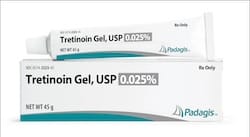
Buy Tretinoin Gel Online at the Best Prices
Mastering the Application of Tretinoin Gel
Think of your skin as a sensitive garden that needs careful tending rather than a wild jungle. Applying tretinoin gel isn’t like slathering on a rich moisturizer before bed. If you rush the process, you might find your face feeling more like a desert than a blooming meadow. Precision is your best friend when dealing with this potent retinoid.
First, ensure your skin is bone-dry. This is where many beginners stumble, often applying the gel to damp skin. While it sounds intuitive to hydrate first, moisture acts like a sponge, pulling the medication deeper into your dermis than intended. This can lead to sudden, stinging irritation that feels like a sunburn in the middle of winter.
Wait at least twenty minutes after washing your face before you even touch the tube. You want your skin to be a blank, dry canvas. If you skip this step, you are essentially playing a high-stakes game of Russian roulette with your skin barrier. Patience is the secret sauce that separates success from a red, peeling mess.
Once your skin is ready, use a pea-sized amount for your entire face. It sounds like a minuscule amount, but it is actually plenty. Using more won’t make the wrinkles vanish faster; it will only make your skin want to stage a full-scale revolt. Spread it thinly, avoiding the delicate corners of your nose and lips.
The Golden Rules of Timing and Layering
The sun is the sworn enemy of tretinoin. This molecule is highly photosensitive, meaning it breaks down quickly when exposed to UV rays. Therefore, you must strictly apply it in the evening. If you apply it in the morning, you are essentially throwing your money down the drain as the sunlight neutralizes the active ingredients.
Many users find success with the “sandwich method” to mitigate dryness. You apply a lightweight moisturizer, wait for it to sink in, then apply your tretinoin, and finish with another layer of cream. It sounds like a lot of steps, but it acts as a buffer. It’s like wearing a light jacket before stepping into a blizzard.
Your routine should follow a predictable rhythm. Consistency is the name of the game here. Skipping nights because your skin feels slightly tight might seem wise, but stability is key to long-term results. If you do experience significant peeling, scale back to every other night rather than stopping the treatment entirely.
Consider this simple checklist for your nightly ritual:
- Cleanse with a gentle, non-stripping cleanser.
- Pat skin completely dry and wait twenty minutes.
- Apply a pea-sized amount of gel across the face.
- Avoid the immediate eye area and mouth corners.
- Seal everything in with a thick, bland moisturizer.
Managing Costs and Expectations
Navigating the pharmacy aisle can feel like walking through a minefield of price tags. You might see high-end luxury creams that claim similar results but cost a fortune. Meanwhile, prescription-strength tretinoin gel often sits at a much more reasonable price point. Always check with your provider to ensure you are getting the right concentration.
When budgeting for your skincare, it helps to look at the long-term value. A single tube might cost anywhere from $20 to $50 depending on the brand and concentration. While the upfront cost is manageable, remember that you must also invest in high-quality SPF during the day. You cannot use tretinoin without a dedicated sunscreen.
| Product Type | Estimated Monthly Cost | Primary Purpose |
| Prescription Gel | $30 | Active Treatment |
| Gentle Cleanser | $15 | Skin Barrier Support |
| Broad-Spectrum SPF 30+ | $25 | Sun Protection |
Don’t expect a miracle overnight; skin cell turnover takes time. It is a marathon, not a sprint. You might see some initial purging or redness, which can be quite discouraging. Just remember that your skin is undergoing a deep cleaning process. Stay the course, stay hydrated, and the glow will eventually follow.
Dosage Schedules and Skin Tolerance
Navigating the Retinoid Ramp-Up
Jumping straight into a nightly routine with a high-strength gel is a recipe for disaster. It is like trying to run a marathon without any training; your skin will likely collapse under the pressure. Instead, you should treat your skin like a sensitive instrument that needs time to acclimate to the intensity.
Most dermatologists suggest a “low and slow” approach to build up your tolerance. Start by using the gel just twice a week. This allows your skin barrier to adjust to the increased cell turnover without becoming a flaky, irritated mess. If you feel fine after two weeks, you can slowly increase the frequency.
Listen to your skin’s subtle whispers before they turn into loud screams. A little tightness or slight dryness is normal during the initial phase. However, if your skin starts to burn when you apply even a basic moisturizer, you have pushed too hard. When that happens, take a few nights off entirely.
The goal is to reach a steady state where you can use the gel every night without significant redness. This transition period can take anywhere from four to eight weeks. Do not get discouraged if progress feels slow; skin biology is a slow dance, not a frantic sprint toward perfection.
Identifying and Managing Irritation
Distinguishing between “purging” and a “reaction” is a skill every skincare enthusiast must master. Purging involves your existing blemishes coming to the surface more quickly. It is a sign the medicine is working its magic. It is a temporary, albeit annoying, phase that requires patience and steady hands.
A true reaction, however, looks quite different. If you notice intense itching, swelling, or weeping skin, you are likely experiencing a localized inflammatory response. This is not part of the “glow-up” process. If this occurs, wash the product off immediately and consult a professional to reassess your approach.
When the dreaded “retinoid peel” strikes, do not be tempted to scrub it away. Using a physical exfoliant to remove flakes is like trying to sand down a house while the paint is still drying. It will only strip your protective barrier further. Instead, focus on heavy, occlusive creams to soothe the area.
Maintaining a consistent routine during these rough patches is vital for long-term success. Many people quit right before the “honey moon” phase begins. If you can navigate the initial turbulence with grace, you will eventually emerge with the smoother, more even complexion you’ve been chasing.
To help you plan your skincare budget, here is a comparison of common monthly expenses for a typical tretinoin regimen:
| Regimen Component | Estimated Monthly Cost | Frequency of Purchase |
| Prescription Tretinoin Gel | $45 | Every 2-3 Months |
| Ceramide-Rich Moisturizer | $30 | Every Month |
| Mineral Sunscreen (SPF 50) | $25 | Every 2 Months |
| Gentle Hydrating Cleanser | $15 | Every 3 Months |
Comparing Gel versus Cream Formulations
Choosing between a gel and a cream is like picking between a lightweight running shoe and a sturdy hiking boot. Both will get you to your destination, but the terrain of your skin determines which one feels better. If you have oily or acne-prone skin, you might prefer a more streamlined approach.
The gel formulation is typically much more lightweight and absorbs almost instantly upon contact. It is a favorite for those who hate the feeling of heavy, greasy residue on their face at night. However, this rapid absorption also means the active ingredient hits your skin with much more intensity.
On the other hand, creams are the heavy lifters of the skincare world. They provide a protective, emollient layer that helps mitigate the dryness often associated with retinoids. For those with sensitive or extremely dry skin, a cream might be the better companion for a long-term journey.
Ultimately, the decision comes down to your skin’s unique “personality” and how it reacts to moisture. There is no one-size-fits-all answer in the world of dermatology. You might find that you need the gel during the summer months and a richer cream once the winter chill sets in.
Texture and Absorption Dynamics
The texture of these products significantly alters how they sit on your epidermis. A gel is often translucent and watery, making it a dream for people who struggle with enlarged pores or excess sebum. It sinks in quickly, leaving nothing behind but the promise of smoother skin.
Creams, however, are much more substantial and can feel quite decadent. They often contain oils and fatty alcohols that act as a buffer. This buffering effect can be a lifesaver if you find that the tretinoin is making your skin feel tight or parched during the night.
If you have oily skin, a cream might feel like an unwanted layer of weight. You might find yourself waking up with a shiny complexion that feels a bit too “suffocating.” In that case, the gel’s quick-drying nature is a godsend for maintaining a matte finish.
Conversely, if your skin is like a desert, a gel might feel like throwing a cup of water onto hot sand. It evaporates too quickly, potentially leaving your skin feeling more irritated than before. In this scenario, the cream’s ability to lock in moisture is worth every penny.
The Impact on Irritation Levels
One of the most significant differences lies in how these vehicles deliver the active medicine. Gels tend to penetrate the skin barrier more aggressively. This can lead to a faster “glow,” but it also increases the risk of the dreaded redness and peeling phase.
Creams are much more patient. Because the active ingredient is suspended in a thicker base, it is released more slowly. This slow-release mechanism can be a gentle way to introduce tretinoin to a novice, acting as a safety net against immediate chemical burns or intense peeling.
Think of it as the difference between a sudden downpour and a steady, light mist. The downpour (the gel) gets everything wet immediately but can cause a bit of a mess. The mist (the cream) is much more manageable and provides hydration alongside the treatment.
If you have a history of contact dermatitis or highly reactive skin, you might want to start with a cream. It provides a much-needed cushion. Once your skin becomes “tougher” and more accustomed to the retinoid, you might find that the gel is more efficient for your needs.
To help you visualize the differences, consider this quick comparison of their typical characteristics:
| Feature | Tretinoin Gel | Tretinoin Cream |
| Skin Type | Oily or Acne-Prone | Dry or Sensitive |
| Absorption | Very Fast | Slower/Moisturizing |
| Irritation Risk | Higher | Lower |
| Finish | Matte/Weightless | Dewy/Emollient |
Market Pricing and Budgeting for Tretinoin
Navigating the Cost Landscape
Walking into a pharmacy can feel like stepping into a high-stakes negotiation. You might see a vast spectrum of price tags, ranging from the budget-friendly generic options to the premium, brand-name formulations. It is easy to feel overwhelmed by the sheer variety of choices presented on the shelves.
Generally speaking, the “brand name” tax can be quite heavy on your wallet. You are often paying for the prestige of the manufacturer rather than a revolutionary new molecule. For many, the generic version is a total game-changer, offering the same active ingredients without the hefty markup.
Budgeting for this treatment requires a long-term perspective. It isn’t just a one-time purchase; it is a marathon, not a sprint. You need to account for the monthly cost of the gel itself, plus the potential need for extra moisturizers to combat any dryness.
If you are on a tight budget, keep a sharp eye on your insurance coverage. Sometimes, a simple prior authorization can turn a $100 expense into a $15 co-pay. It is well worth the extra phone calls to ensure you aren’t overpaying unnecessarily.
Price Comparison and Factors
When you start crunching the numbers, several variables will influence your final bill. The concentration of the tretinoin is a major player here. Higher strengths, like 0.1%, often command a higher price than the standard 0.025% or 0.05% versions.
The volume of the container also plays a role. Buying a large tube might seem expensive upfront, but the cost per ounce is usually much lower. It is a classic case of “buy in bulk” saving you money in the long run as you use it nightly.
Pharmacy choice is another hidden variable. Local independent pharmacies might have different pricing structures compared to massive national chains. It never hurts to call around and ask, “What is your best price for this specific prescription?” You might be surprised.
Consider these approximate market price ranges to help plan your skincare budget:
- Generic Tretinoin Gel (0.025%): $15 – $40 per month
- Generic Tretinoin Gel (0.1%): $25 – $60 per month
- Brand Name Formulations: $80 – $150+ per month
- Prescription Assistance Programs: $0 – $25 per month
Hidden Expenses and Long-Term Planning
Don’t let the sticker price of the gel fool you into thinking the treatment is “cheap.” There is a hidden ecosystem of products required to make the journey successful. If you experience peeling, you will inevitably need to buy a high-quality, non-comedogenic moisturizer.
Sunscreen is non-negotiable when using tretinoin. Your skin becomes much more sensitive to UV rays, making a daily SPF 30+ an absolute necessity. If you skip this, you might end up spending more on corrective treatments for sun damage later on.
I once knew a friend who spent a fortune on high-end serums to fix the irritation caused by her tretinoin. She was essentially throwing good money after bad. The real secret is using the right, simple, and affordable support products.
To keep your budget in check, try to stick to a consistent routine. Switching products every month is a recipe for a financial disaster and skin confusion. Stability is your best friend, both for your complexion and your bank account.
Sourcing and Reliable Shipping Logistics
Finding a Legitimate Source
Navigating the digital marketplace for skincare can feel like walking through a minefield. You might encounter glossy websites promising overnight miracles for a suspiciously low price. While the allure of a bargain is strong, remember that “if it seems too good to be true, it probably is.” Cheap, unverified sources often sell counterfeit products that lack the actual active ingredient.
The safest route is always through a licensed pharmacy. Whether you are using a traditional brick-and-mortar establishment or a reputable online telehealth platform, ensure they require a valid prescription. Cutting corners on legality is a gamble that your skin, and your health, simply cannot afford to take.
I’ve seen many people fall for the “gray market” trap. They order from overseas sites to save $20, only to receive a tube that contains nothing but scented petroleum jelly. It is a bitter pill to swallow when you realize your hard-earned money has been wasted on a dud.
Always look for verified symbols on a website. A legitimate provider will be transparent about their credentials and provide clear contact information. If a site looks like it was designed in 1998 and offers no way to speak to a human, keep your credit card in your pocket and walk away.
Shipping Methods and Transit Safety
Once you have secured your prescription, the next hurdle is the journey from the warehouse to your doorstep. Tretinoin is a somewhat finicky molecule. It is sensitive to extreme temperature fluctuations, which can cause the gel to degrade before you even open the cap. You want a provider that treats your package like a precious cargo.
Standard shipping is often the most economical choice, but it can be a slow burn. If you are running low on your current supply, you might want to opt for expedited shipping. Waiting an extra week when your skin is already peeling can be a recipe for a sudden, uncomfortable breakout or irritation.
Keep a close eye on the tracking number. There is nothing more frustrating than a package that seems to have vanished into a black hole. A reliable logistics partner will provide real-time updates so you aren’t left guessing when your skin’s lifeline will finally arrive in the mail.
Consider these common shipping scenarios and their typical implications:
- Standard Ground Shipping: The most budget-friendly, but prone to delays and temperature swings.
- Expedited Air Shipping: Faster and generally more consistent, but usually carries a $10 – $25 premium.
- Temperature-Controlled Packaging: Rare for standard orders, but essential if you live in a tropical climate.
- Local Pharmacy Pickup: The fastest option, eliminating shipping costs and transit risks entirely.
Verifying Product Integrity Upon Arrival
When that package finally lands on your porch, don’t just toss it in the bathroom cabinet. You need to perform a quick “sanity check” on your delivery. Check the seal immediately. If the safety ring is broken or the box looks crushed, the integrity of the gel may have been compromised during transit.
The texture and scent are your best clues. Tretinoin gel should have a consistent, predictable feel. If you notice any unusual discoloration, a strange odor, or if the gel has separated into a liquid and a solid, stop using it immediately. It is better to lose $40 than to ruin your skin’s barrier.
Always check the expiration date printed on the tube. It sounds simple, but in the rush of daily life, it is easy to overlook. Using expired tretinoin is like trying to drive a car with no fuel; you are going through the motions, but you aren’t getting any actual results.
I remember a client who was so eager to start her routine that she didn’t notice her gel had been sitting in a hot delivery truck for three days. She thought her skin was “purging” because of the irritation, but in reality, the product had simply gone bad. Trust your senses.
Lifestyle Integration and Product Synergy
Think of tretinoin gel not as a standalone miracle, but as a high-performance engine that requires the right fuel and maintenance. If you throw a luxury sports car into a dirt track without proper tires, you won’t get far. Similarly, applying this potent retinoid without a supportive skincare ecosystem is a recipe for disaster.
The “retinoid sandwich” technique is a lifesaver for those with sensitive skin. This method involves applying a layer of moisturizer, then your tretinoin, and finally another layer of moisturizer. It acts like a buffer, slowing down the absorption speed just enough to prevent that dreaded, fiery redness that many beginners face.
Hydration is your best friend when navigating a retinoid journey. Your skin barrier needs to be a fortress, not a sieve. If you neglect moisture, the tretinoin will likely peel your skin away like old wallpaper. Investing in a high-quality hyaluronic acid serum can make a massive difference in how your face feels.
I once knew a man who used tretinoin alongside harsh physical scrubs. He was essentially sandpapering an open wound every single morning. He thought he was “cleansing,” but he was actually dismantling his skin’s natural defense system. Please, for the love of your complexion, avoid all exfoliants while using this gel.
The Sun Protection Imperative
If you use tretinoin at night but skip sunscreen during the day, you are essentially throwing money down the drain. This medication makes your skin incredibly susceptible to UV damage. It is like walking out into a desert without a hat; you are inviting sunspots and premature aging to the party.
A broad-spectrum SPF 30 or higher is non-negotiable. Even on cloudy days or when you are just sitting near a window, the rays are working against you. I always tell my friends to treat sunscreen as a mandatory part of their morning ritual, just like coffee or brushing their teeth.
Don’t be fooled by “tinted” moisturizers that claim to offer protection. Unless the bottle specifically lists an SPF rating, it is just makeup. You need a dedicated sunblock to act as a shield. It is a small price to pay—usually around $15 to $30—to protect the progress you’ve made.
Consider these essential daily companions for your routine:
- Ceramides: These are the “mortar” between your skin cells, helping to rebuild a damaged barrier.
- Niacinamide: A soothing powerhouse that helps reduce the redness often associated with retinoid use.
- Hyaluronic Acid: A moisture magnet that keeps the skin looking plump and prevents the “crinkly” look.
- Non-Comedogenic Moisturizer: A lightweight cream that hydrates without clogging your pores.
Managing the Purge and Expectations
Patience is a virtue that most people lack when it comes to skincare. You won’t wake up with a porcelain complexion after three days. In fact, you might actually look worse before you look better. This phenomenon, known as “purging,” is your skin’s way of clearing out the junk in the basement.
During a purge, you might see small bumps or slight flaking. This is normal, provided it isn’t accompanied by intense stinging or swelling. If your skin feels like it is on fire, you might be using too much product or applying it to damp skin, which accelerates absorption too quickly.
Consistency is the secret sauce. It is better to use a small amount twice a week than a large amount every night and then quit because you’ve irritated yourself. Think of it as a marathon, not a sprint. You are training your skin to handle the strength of the gel over time.
To help you track your progress, I’ve put together a quick reference for common skin reactions:
| Reaction Type | What it feels like | Action to take |
| Mild Peeling | Dryness or light flaking | Increase moisturizer |
| Purging | Occasional small breakouts | Stick with the routine |
| Irritation | Stinging, redness, or heat | Reduce frequency immediately |