
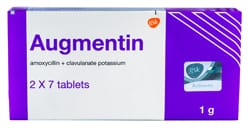
Buy Augmentin Online at the Best Prices Today
Mastering Your Augmentin Dosage Regimen
Think of your antibiotic schedule like a strict dance routine. If you miss a step, the whole performance falls apart. Taking Augmentin at the wrong times isn’t just a minor slip-up. It allows those stubborn bacteria to regroup and fight back harder. You want to keep the concentration in your bloodstream steady to ensure the medicine stays in the driver’s seat.
Precision is your best friend when following a prescription. Your doctor has tailored this specific dose to your unique body chemistry and the severity of your infection. Skipping a dose or taking it late is like trying to put out a forest fire with a tea cup. Consistency is the secret to a speedy and successful recovery process.
Many patients find themselves staring at a pill bottle, wondering if they can skip a dose if they feel better. Resist that temptation! Just because the fever has broken doesn’t mean the battle is won. If you stop early, you might leave behind a handful of survivors that could lead to a much nastier, antibiotic-resistant infection later on.
Timing can also be a headache if you have a busy life. Most people find that taking the medication with a meal helps settle the stomach. It is a small trick to avoid that common nausea that often accompanies this specific antibiotic. A little snack can make a world of difference for your comfort.
The Rhythm of the Pill
Consistency is the name of the game here. If your instructions say to take it twice a day, try to space those doses roughly twelve hours apart. It sounds like a chore, but it keeps the medicine levels from dipping too low. Think of it as keeping a steady flame burning rather than letting it flicker and die.
Sometimes life throws a wrench in your plans, like a sudden meeting or a long commute. If you do miss a dose, don’t try to play catch-up by doubling up. That is a recipe for disaster and can lead to harsh side effects. Just get back on track with your next scheduled dose as soon as you can.
I once knew a patient who was so diligent, he set alarms on three different devices. While that might seem like overkill, it is better than being caught off guard. When you are fighting an infection, you want your body’s defenses to be bolstered by a steady supply of medication, not a sporadic, unpredictable trickle.
If you find yourself struggling to remember, consider using a pill organizer. They are inexpensive and can save you a massive amount of mental energy. It is a simple tool that ensures you aren’t playing a guessing game with your health every single morning and evening. Peace of mind is worth the few cents it costs.
To help you visualize the timing, consider this general guide for common schedules:
| Schedule Type | Typical Timing | Best For |
| Twice Daily | Every 12 hours | Moderate infections |
| Three Times Daily | Every 8 hours | Acute or severe cases |
Managing Potential Side Effects
Let’s be real: Augmentin can sometimes be a bit rough on the pipes. Diarrhea and stomach upset are the usual suspects when you start this regimen. It is as if your gut flora is undergoing a sudden, unexpected renovation. It can be uncomfortable, but it is often a temporary side effect of the treatment.
If the stomach issues become too much to handle, don’t just stop the medication on your own. Call your doctor first. They might suggest taking the dose with a large glass of water or a heavy meal to buffer the impact. Sometimes, a probiotic can help restore your natural balance once the course is finished.
Watch out for anything that seems out of the ordinary, like a skin rash or hives. These can be signs of an allergic reaction, which is a different beast entirely. If you notice swelling or any difficulty breathing, stop everything and seek medical help immediately. You don’t want to play around with serious allergies.
Keeping track of how you feel can be a lifesaver. I suggest keeping a quick log of any symptoms that pop up. This information is gold for your healthcare provider. It helps them decide if the current dosage is working or if they need to pivot to a different approach to keep you healthy.
- Always finish the full course, even if you feel 100% better.
- Take the medication with food to minimize stomach upset.
- Keep plenty of fluids on hand to stay hydrated.
- Report any sudden rashes or swelling to your doctor immediately.
Navigating the Cost of Amoxicillin-Clavulanate
Walking into a pharmacy with a fresh prescription can feel a bit like entering a high-stakes poker game. You know you need the medicine, but the price tag on the counter can sometimes feel like a punch to the gut. It is a common frustration that many patients face when dealing with antibiotics.
The reality is that prices for Amoxicillin-Clavulanate can fluctuate wildly depending on several factors. You might find that one pharmacy charges a king’s ransom while the one down the street offers a bargain. It is not about luck; it is about understanding how the system operates behind the scenes.
Several variables dictate what you ultimately pay out of pocket. Your insurance coverage is the biggest player in this dance, but your specific plan’s deductible plays a massive role too. If you haven’t met your yearly limit, you might find yourself footing the entire bill yourself.
Generic versions of the drug are typically much kinder to your wallet than brand-name options. Since Amoxicillin-Clavulanate is a well-established medication, most people can opt for the generic to save a significant amount of cash. It is the same active ingredient, just without the fancy packaging.
To give you a clearer picture, I have put together a comparison of common ways to acquire this medication:
| Option Type | Estimated Quantity | Typical Out-of-Pocket Cost |
| Insurance Co-pay | 10-day supply | $15 – $40 |
| Generic Retail | 10-day supply | $30 – $60 |
| Brand Name | 10-day supply | $150 – $300 |
| Discount Program | 10-day supply | $25 – $55 |
Smart Strategies for Savings
If you find yourself staring at a high estimate, don’t pull your hair out just yet. One of the best ways to trim the fat is to ask your doctor for a 10-day supply instead of a 14-day one if appropriate. Sometimes, the way the manufacturer packages the pills can change the price.
Don’t be afraid to shop around or use digital tools to compare local pharmacy prices. Many large chains have “cash prices” that are actually lower than what your insurance might charge after a co-pay. It sounds counterintuitive, but it is a little secret that many people overlook.
Mail-order pharmacies can also be a real lifesaver for those on a tight budget. They often have much lower rates for long-term refills, though they might take a few days to arrive at your door. It is a bit of a trade-off between immediate convenience and long-term savings.
Lastly, always check if your insurance offers a “preferred pharmacy” network. Using an out-of-network pharmacy is like driving a car with a flat tire; it is going to cost you much more in the long run. Staying within their preferred list is the smoothest path to a lower bill.
Shipping Logistics and Delivery Expectations
Timelines and Transit Realities
When you are battling a stubborn infection, every hour feels like a lifetime. You might be staring at your front porch, hoping a package arrives to save the day. While digital orders are fast, the physical movement of medication involves several layers of scrutiny and careful handling by specialized couriers.
Most standard deliveries for prescription antibiotics arrive within three to five business days. If you are using a local courier service, you might see that driver pull up in a matter of hours. It is a bit like waiting for a storm to pass; you can’t rush the weather, but you can prepare.
However, unexpected hiccups can throw a wrench in your plans. Weather patterns, regional holidays, or even a simple clerical error at the pharmacy can delay your shipment. If your tracking number hasn’t moved in forty-eight hours, it is time to pick up the phone and check in.
It is vital to remember that these medications are sensitive to environmental changes. If a delivery driver leaves your package on a scorching doorstep in July, the heat might compromise the integrity of the pills. Always try to be home or have a neighbor grab it to keep the medicine safe.
Managing Your Delivery Preferences
Choosing how your medication arrives is a decision that affects both your peace of mind and your wallet. Some people prefer the “white glove” service of a local pharmacy delivery, while others find the convenience of a large-scale mail-order service much more appealing for their busy lifestyles.
Mail-order services often offer a significant discount, but they require a bit more patience. You aren’t just buying a box of pills; you are navigating a logistics network. It is a trade-off, much like choosing between a slow, cheap flight or a fast, expensive one. Both get you to your destination eventually.
If you are traveling, you need to be extra diligent about your shipping address. Sending a life-saving antibiotic to an old apartment or a hotel that doesn’t accept signatures is a recipe for disaster. Double-check every digit of your zip code before you hit that final “confirm” button online.
To help you weigh your options, consider these common delivery scenarios:
- Local Pharmacy Delivery: Usually arrives within 24 hours; often involves a small fee around $5 to $10.
- Standard Mail-Order: Takes 3-7 days; often free if you meet a certain minimum order threshold.
- Overnight Express: The fastest option for emergencies; can cost anywhere from $25 to $50 extra.
Tracking and Security Protocols
In this digital age, you shouldn’t be left in the dark about where your prescription is hiding. Most reputable providers offer real-time tracking that lets you see exactly when the package leaves the facility. It is a small comfort, but it helps ease the anxiety of waiting.
For security reasons, many pharmacies require a signature upon delivery. This is a safeguard to ensure your private medical information and the medication itself don’t end up in the wrong hands. It might feel like a minor inconvenience, but it is a crucial shield for your privacy.
If you find that a package was marked as “delivered” but nothing is at your door, don’t panic immediately. Sometimes, couriers scan items early to stay on schedule. Give it until the end of the day before you start making frantic calls to the shipping department.
Keep a record of your tracking numbers and any delivery confirmation emails. If a package goes missing, having that paper trail is your best defense when filing a claim for a replacement. It turns a potential nightmare into a simple administrative task that can be resolved quickly.