
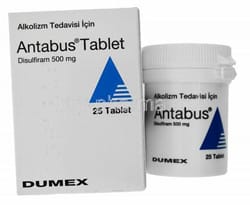
Buy Antabuse Online: Best Prices and Fast Delivery
Mechanism and Clinical Function
Think of the body as a finely tuned machine where enzymes act as the essential grease. Under normal circumstances, your liver processes alcohol through a two-step dance involving two specific enzymes. First, alcohol is converted into acetaldehyde, a toxic byproduct, and then quickly neutralized into harmless acetic acid. It is a rhythmic process that keeps your system running smoothly.
Antabuse, known scientifically as disulfiram, essentially throws a massive wrench into this delicate machinery. It works by inhibiting the enzyme aldehyde dehydrogenase. When this enzyme is sidelined, the body cannot break down acetaldehyde. This creates a chemical bottleneck, causing the toxic substance to build up in the bloodstream like a dam about to burst during a heavy storm.
The clinical goal is to create a strong psychological deterrent. If a patient consumes even a tiny sip of alcohol while on this medication, the accumulation of acetaldehyde triggers a violent physical reaction. It is not a subtle warning. It is a full-scale biological alarm system designed to make the idea of drinking feel like a terrible mistake.
This mechanism turns the physiological response into a powerful teacher. By linking alcohol consumption to immediate discomfort, the drug reinforces the behavioral goal of abstinence. It doesn’t cure the urge to drink, but it makes the physical cost of succumbing to that urge far too high to ignore during those difficult, craving-filled moments.
The Disulfiram-Ethanol Reaction
When the reaction occurs, it feels like a sudden, overwhelming wave hitting a sailor in the middle of the ocean. Patients often report a sense of impending doom or intense nausea that strikes almost instantly. It is a visceral, unmistakable signal from the body that something has gone terribly wrong within the metabolic pathway.
The symptoms are not merely a minor stomach ache; they are quite intense. Common physiological responses include:
- Flushing of the face and neck.
- Rapid, pounding heartbeat.
- Nausea and projectile vomiting.
- Severe headache and chest tightness.
Doctors often compare this reaction to a biological “safety on a gun.” The drug itself is relatively inert until it meets its target. However, the moment alcohol enters the equation, the safety is switched off, and the body’s own chemistry turns against the intruder. It is a high-stakes strategy for maintaining long-term sobriety.
Medical professionals monitor patients closely during the initiation phase. Because the reaction can be so severe, the first dose is often administered in a controlled clinical setting. This ensures that if a patient has already consumed alcohol, they can receive immediate care to manage the cardiovascular strain caused by the sudden acetaldehyde spike.
Clinical Monitoring and Costs
Managing this treatment requires more than just a prescription; it requires a watchful eye. Doctors must ensure that the patient’s liver is functioning optimally before starting the regimen. If the liver is already struggling, adding a drug that puts extra stress on its metabolic pathways could be like adding fuel to a fire.
Regular blood work is the name of the game here. Healthcare providers look for specific markers to ensure the patient is tolerating the medication well. It is a delicate balancing act between maintaining the deterrent effect and avoiding permanent organ damage. This constant vigilance is what makes the treatment effective yet demanding for the patient.
The financial aspect of this treatment varies depending on the pharmacy and insurance coverage. While generic versions are often more accessible, the total cost of care includes various laboratory tests. Below is a general breakdown of estimated out-of-pocket expenses for a single month of monitoring:
| Service Type | Estimated Cost |
| Generic Disulfiram (30-day supply) | $45 |
| Routine Liver Function Test | $120 |
| Physician Consultation | $150 |
While the upfront costs might seem daunting, they are a small price to pay for a tool that provides a barrier against relapse. Many patients find that the cost of maintaining the medication is significantly less than the long-term economic and personal toll of continued alcohol misuse. It is an investment in a different way of living.
Prescription Dosage and Administration
Taking this medication is not a “one size fits all” situation. A doctor will tailor the regimen based on how much a person used to drink and their overall health profile. It is like tailoring a suit; it has to fit the individual perfectly to be truly effective in its purpose.
The standard starting dose for most adults is often 250 mg, taken once daily. However, some clinicians prefer to start with a much smaller dose, such as 125 mg, to see how the body reacts. This cautious approach helps ensure that the patient’s system is ready for the chemical changes ahead.
Consistency is the absolute bedrock of this treatment. If you miss a dose, the protective barrier might weaken, leaving a window of vulnerability. Patients must treat their daily pill like a sacred appointment, ensuring it is taken at the same time every single day to maintain a steady level in the bloodstream.
Timing the dose is also crucial to avoid a “surprise” reaction. Because the drug stays in your system for quite a while, you cannot simply skip a dose if you plan on having a drink. The window of danger can stretch for several days, meaning the “safety” remains off long after the last pill is swallowed.
Administration Protocols and Safety
Doctors typically recommend taking the pill with a full glass of water, preferably at the same time each day. Some people find that taking it with food helps prevent minor stomach upset, which can be a common side effect. It is best to avoid taking it right before bed if it makes you feel drowsy.
It is vital to understand that you must be completely abstinent before the very first dose. You cannot “test the waters” by having a small glass of wine. If you have consumed alcohol within the last 48 to 72 hours, you must wait. Attempting to start the medication while alcohol is still present is like walking into a storm without an umbrella.
The duration of the treatment is often determined by the patient’s progress in sobriety. Some people use it for a few months to break a cycle, while others might stay on it for a year or more. This is a marathon, not a sprint, and the dosage might be adjusted as the journey progresses.
Patients should never stop taking the medication abruptly without talking to their doctor first. Suddenly dropping the pills can lead to a sudden increase in cravings or a sense of losing one’s lifeline. It should be a gradual tapering process, guided by a professional who knows your medical history inside and out.
Comparison of Treatment Options
The total cost of managing your sobriety can fluctuate based on how you choose to receive your care and the specific medications prescribed. Below is a comparison of common monthly expense structures for different treatment pathways:
| Option Type | Estimated Monthly Cost | Primary Feature |
|---|---|---|
| Generic Medication Plan | $50 | Most affordable, requires regular visits |
| Brand Name Protocol | $140 | Higher price, specific manufacturer |
| Telehealth Supervision | $210 | Convenient, includes virtual monitoring |
| In-Clinic Intensive | $450 | Highest cost, includes frequent labs |
When looking at these numbers, remember that the goal is long-term stability. Some might choose the more expensive telehealth option for the sheer convenience of staying on track from home. Others might opt for the most basic generic route to keep their financial stress as low as possible during recovery.
Current Market Pricing and Cost Analysis
Navigating the Financial Landscape
Walking into a pharmacy can feel like stepping into a labyrinth of confusing numbers and fine print. For many, the sticker shock of a brand-name prescription can be a heavy blow when they are already struggling to find their footing. It is a bitter pill to swallow when you are trying to rebuild a life.
The reality is that the price of Disulfiram can vary wildly depending on where you live and which pharmacy you frequent. A local boutique pharmacy might charge a premium, while a large-scale retail chain might offer a more streamlined pricing structure. It is often worth shopping around to ensure you aren’t overpaying for your lifeline.
Insurance coverage plays a massive role in what you actually see on your receipt. Some plans treat this as a Tier 1 essential medication, making it incredibly affordable, while others might classify it under a more restrictive tier. Always check your formulary before you head to the checkout counter to avoid any nasty surprises.
Many patients find that using a manufacturer’s coupon or a discount program can bring the price down significantly. It is not uncommon to see a difference of $40 or more just by using a digital voucher. Think of these discounts as a small helping hand when you are navigating the rocky terrain of early sobriety.
The Impact of Brand vs. Generic
The tug-of-war between brand-name drugs and generic alternatives is a constant theme in the healthcare industry. Many people ask if the “name brand” version offers some magic extra layer of protection that the generic lacks. In short, the active ingredient is the same, but the cost difference can be quite striking.
Generic Disulfiram is often the preferred choice for those working with a tight budget. It provides the same chemical defense against alcohol without the heavy price tag associated with marketing and research costs. For many, choosing the generic route is a pragmatic decision that allows them to focus their resources elsewhere.
However, some individuals report that the generic tablets are harder to swallow or have a different texture. While the science says they are identical, the physical experience can differ. It is a personal preference that might necessitate a conversation with your pharmacist to find the best middle ground for your needs.
When you look at the long-term math, the savings from generic options add up quickly. Over a year of daily treatment, those extra dollars saved can go toward therapy sessions or other support systems. Every cent counts when you are building a foundation for a brand-new, alcohol-free existence.
Hidden Costs and Ancillary Expenses
It is a mistake to think that the pill is the only expense in this equation. There are often “shadow costs” that creep in, such as the price of regular blood work or doctor’s office visits. These are necessary to ensure your liver and kidneys are handling the medication safely and effectively.
Laboratory fees can add up if your doctor requires frequent monitoring to track your metabolic health. While these tests are vital for safety, they represent another line item in your monthly budget. It is helpful to view these not as obstacles, but as essential components of a holistic recovery plan.
Consider these common additional expenses when planning your monthly budget:
- Routine blood panels: $30 – $80
- Follow-up consultations: $100 – $250
- Shipping and delivery fees: $5 – $15
- Co-pays for specialist visits: $20 – $50
Managing these costs requires a bit of foresight and perhaps a bit of organization. Keeping a dedicated folder for all your medical receipts can help you track where your money is going. Being proactive about your finances can prevent the stress of unexpected bills from becoming a trigger for relapse.
Sourcing and Procurement Logistics
The Supply Chain Journey
The path a single tablet takes from a manufacturing plant to your medicine cabinet is a complex dance of logistics. It isn’t as simple as grabbing a box off a shelf. Instead, it involves a massive web of wholesalers, distributors, and specialized medical couriers working around the clock. This movement ensures that the medication reaches the right hands at the right time.
When a shortage hits the news, it can feel like the rug is being pulled out from under you. Supply chain disruptions, whether caused by raw material scarcity or shipping bottlenecks, can leave local pharmacies with empty shelves. It is a sobering reminder of how interconnected our modern medical infrastructure really is, often leaving patients feeling vulnerable.
To mitigate these risks, many healthcare providers suggest maintaining a small buffer or a backup pharmacy. If your primary location is out of stock, don’t be discouraged. Often, a neighboring town or a larger regional distributor might have the supply you need. It takes a bit of legwork, but staying proactive is your best defense against sudden availability gaps.
Understanding the lifecycle of procurement can help you manage expectations during your treatment. When a prescription is filled, it has likely passed through several hands and temperature-controlled environments. This meticulous handling is vital because Disulfiram is sensitive to how it is stored. Ensuring the integrity of the medication is paramount to its effectiveness.
Pharmacy Fulfillment Strategies
Deciding where to pick up your prescription is more than just a matter of convenience; it is a strategic choice. Retail pharmacies are the “neighborhood staples,” offering ease of access and quick service. However, they often face the most dramatic fluctuations in stock levels. If you need reliability above all else, you might need to look elsewhere.
Mail-order pharmacies have become a lifeline for many people living in rural areas. They offer the luxury of doorstep delivery, which can be a game-changer for those with busy schedules or limited transportation. While you gain convenience, you must be mindful of shipping timelines. You never want to find yourself running low on pills just as a storm rolls through.
Specialty pharmacies are another tier in the procurement hierarchy. These facilities are designed to handle medications that require extra care or frequent monitoring. While they might not be your first stop for a common cold, they are often the gold standard for complex long-term therapies. They provide a level of expertise that general big-box retailers sometimes lack.
Comparing the logistics of different providers can save you significant time and frustration. Consider the following logistical factors when deciding on your preferred fulfillment method:
| Provider Type | Primary Advantage | Potential Drawback |
| Retail Pharmacy | Instant availability | Frequent stock shortages |
| Mail-Order | Extreme convenience | Shipping delays |
| Specialty | Expertise & care | Higher administrative hurdles |
Inventory Management and Stocking
Pharmacy managers often play a high-stakes game of “predict and provide” to keep shelves stocked. They must balance the current demand from local patients with predicted trends and manufacturer shipping schedules. It is a delicate balancing act that requires constant vigilance. When they get it right, the process is seamless; when they miss, the consequences are felt by patients.
One major hurdle in procurement is the seasonal fluctuation of medical supplies. While demand for many medications remains steady, unexpected spikes can strain the system. For someone relying on Antabuse, any delay in the supply chain can feel like a mountain of anxiety. Knowing the local availability ahead of time can provide a much-needed sense of security.
If you find yourself frequently facing “out of stock” notices, it might be time to have a serious chat with your pharmacist. Ask them about their ordering frequency and if they can flag your prescription for priority. Being a “known entity” at your pharmacy can sometimes result in a little extra help when the supply lines get tangled.
Ultimately, the goal of procurement is to ensure that the medication is as steady as a rock in your recovery journey. You shouldn’t have to worry about where your next dose is coming from. By understanding the mechanics of how these drugs move through the world, you can navigate the system with a bit more confidence and a lot less fear.
Comparative Effectiveness and Alternatives
Evaluating Clinical Outcomes
Choosing a treatment path is rarely a one-size-fits-all situation. Disulfiram works like a biological tripwire, waiting for alcohol to enter the system before triggering a violent reaction. It is a high-stakes deterrent that requires absolute discipline to function correctly. For some, this mechanism is exactly the guardrail they need to stay on track.
On the other hand, many patients find the side effects of this medication to be a heavy burden. The intense nausea and flushing can feel like a constant shadow looming over your social life. Because of this, doctors often weigh the effectiveness of Disulfiram against the patient’s ability to actually tolerate the regimen without quitting early.
Clinical data suggests that while Disulfiram is highly effective at preventing a single slip-up, its success rate depends heavily on the patient’s psychological readiness. It is not a magic pill that fixes everything; rather, it is a tool in a much larger toolbox. Without a strong support system, the medication alone might feel like an uphill battle.
When comparing various options, the primary metric is often “retention.” If a patient cannot tolerate the medication, its effectiveness drops to zero. Therefore, clinicians often look at a spectrum of choices. They must balance the physiological deterrent of Antabuse with the psychological ease of other, less aggressive medicinal interventions.
Exploring Other Therapeutic Options
Not everyone is destined to use Disulfiram. Naltrexone is a heavy hitter in the field, often acting as the first line of defense for many. Instead of making you sick if you drink, it simply dulls the “reward” or the “buzz” you get from alcohol. It is like turning down the volume on a loud radio.
Acamprosate operates on a completely different frequency. It works by stabilizing the brain chemistry that has been disrupted by chronic heavy drinking. Think of it as a way to calm the storm in your nervous system. It doesn’t stop the craving directly, but it makes the biological urge to drink much less overwhelming.
Comparing these options often comes down to your specific medical history and lifestyle. Naltrexone might be preferred for those prone to heavy binge drinking, while Acamprosate is often favored for those trying to maintain long-term sobriety. Each has its own unique “personality” and set of potential side effects that you must discuss with a professional.
The following table provides a snapshot of how these common alternatives compare to one another in a clinical setting:
| Medication | Primary Mechanism | Typical Cost (Est.) |
| Naltrexone | Reduces craving/reward | $30 – $60 |
| Acamprosate | Stabilizes brain chemistry | $25 – $50 |
| Disulfiram | Triggers adverse reaction | $40 – $85 |
Lifestyle and Integrative Approaches
Medicine is rarely the sole answer to a complex problem like addiction. Many people find that combining medication with intensive counseling or group therapy yields the best results. It is like having a sturdy anchor while also learning how to navigate the choppy waters of life’s stressors.
Support groups, such as AA or SMART Recovery, offer a community that medication simply cannot provide. While a pill can change your chemistry, a group can change your perspective. Integrating these social supports can act as a safety net when the biological cravings start to feel particularly loud or persistent.
Some patients also explore holistic changes, such as mindfulness meditation or strict dietary shifts, to manage triggers. While these aren’t direct replacements for prescription drugs, they are vital components of a holistic recovery plan. Success is often found in the intersection of medical science and personal lifestyle adjustments.
Safety Protocols and Risk Management
Navigating the Biological Minefield
Taking Antabuse is like walking a tightrope over a canyon. You must be incredibly vigilant because the medication does not distinguish between a celebratory sip of wine and a hidden shot of vodka. One small mistake can trigger a sudden, violent physical reaction that feels like your body is going through a massive, systemic revolt.
The primary danger lies in the “hidden” alcohol found in many common items. You might find yourself caught off guard by a cough syrup, a certain mouthwash, or even some flavored desserts. It is crucial to read every single label with a magnifying glass, as even a tiny amount can set off the chemical alarm.
If you do accidentally consume alcohol, do not panic, but act with extreme haste. The goal is to minimize the reaction by getting to a medical professional immediately. It is better to be safe than sorry when your heart is racing and your skin is turning bright red from the reaction.
Doctors often emphasize that this medication is a “double-edged sword.” While it provides a powerful deterrent, the physical toll of a reaction can be genuinely terrifying. Managing this risk requires a level of transparency with your healthcare provider that is absolutely non-negotiable for your continued safety.
Monitoring and Clinical Oversight
You cannot simply pick up this prescription and hope for the best; it requires constant supervision. Your doctor will likely want to run regular blood tests to monitor your liver function. Since the liver is the primary engine processing this medication, keeping a close eye on its health is vital.
Regular check-ups ensure that your body is handling the drug without excessive strain. If you notice any yellowing of your eyes or skin, or if you feel an unusual fatigue, you must call your clinic right away. These can be early warning signs that your liver is struggling to keep up.
Medical professionals also watch for cardiovascular issues during the initial weeks of treatment. Because the drug can impact blood pressure and heart rate, your doctor might suggest frequent monitoring. It is better to play it safe and have an extra appointment than to ignore a potential red flag.
The following list outlines the essential safety checks that typically occur during a standard treatment cycle:
- Liver Function Tests: Periodic blood work to ensure enzymatic levels remain stable.
- Blood Pressure Checks: Monitoring for spikes that could indicate a reaction.
- Neurological Assessments: Checking for any signs of dizziness or extreme confusion.
- Weight and Vitality Tracking: Ensuring nutritional stability during the regimen.
Mitigating Environmental and Social Risks
Your social circle plays a massive role in how safe you stay on this path. It is highly recommended to inform close friends and family about your medication. If they know the stakes, they won’t accidentally offer you a drink during a social gathering or a celebratory dinner.
Setting boundaries early is much easier than explaining a medical crisis in the middle of a party. Think of it as building a fortress around your recovery. When the people in your life understand the biological mechanics at play, they become your allies rather than accidental threats to your safety.
Managing your environment is just as important as managing your diet. If you find yourself in situations where alcohol is unavoidable, you might need to reconsider your attendance for a while. It is better to stay home and stay safe than to risk a severe physiological episode in public.
The cost of managing these risks can vary, but being prepared is worth every penny. Some patients find that investing in specialized testing or extra counseling sessions provides much-needed peace of mind. Below is a summary of estimated costs related to safety management:
| Safety Measure | Description | Estimated Cost (Est.) |
| Routine Blood Work | Comprehensive metabolic panel | $40 – $120 |
| Specialist Consultation | Follow-up with a physician | $100 – $250 |
| Counseling Session | Behavioral safety planning | $75 – $150 |
Pingback: Buy Viagra Online: Secure Pricing and Fast Delivery – Remotshotse Catering