
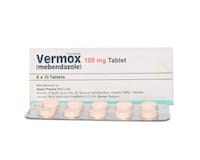
Buy Vermox Online Today at the Best Price
Navigating the Dosage Spectrum of Vermox
Standard Protocols for Adults
When an adult faces an uninvited guest in their gut, the standard protocol for Vermox is usually straightforward. Most healthcare providers recommend a single dose of 100mg to clear common intestinal parasites. It is like a targeted strike against an intruder, aiming to wipe out the problem before it can settle in permanently.
However, some stubborn infections might require a second dose. In these specific cases, the doctor might suggest taking another 100mg dose exactly two weeks later. Think of it as a “mopping up” operation to catch any larvae that might have survived the first wave of the medication.
It is vital to remember that you shouldn’t play doctor with your own health. While the standard dose is common, individual circumstances vary. Always follow the specific instructions provided by your physician or the pharmacist, as they understand your unique medical history and potential contraindications better than anyone.
If you find yourself needing a prescription refill, expect to pay anywhere from $15 to $40 depending on the pharmacy. This price reflects the efficacy of the treatment in ensuring you get back to feeling your best without unnecessary digestive discomfort or lingering issues.
Pediatric Administration and Weight
Treating children is a different ballgame entirely. You cannot simply give a child the same dose an adult takes without risking side effects. Pediatric dosing is a delicate dance, often heavily influenced by the child’s body weight to ensure the medicine is both safe and effective.
For little ones, the dosage is typically calculated meticulously. Doctors often look at the child’s weight to determine if a single dose is sufficient or if a split regimen is necessary. It is a “goldilocks” situation—you want enough medicine to do the job, but not so much that it causes tummy troubles.
Parents often find that liquid formulations or crushed tablets are easier for smaller mouths to handle. If your child is particularly picky, try mixing the dose with a small spoonful of yogurt. This can make the process feel less like a battle and more like a routine part of their day.
Always use a precise measuring device, like an oral syringe, rather than a kitchen spoon. A kitchen spoon is a wild guess, and in pediatrics, precision is the name of the game. Accuracy ensures the child receives the exact amount needed to clear the infection effectively.
Timing, Food, and Regimen Length
Timing is everything when it comes to making this medication work its magic. While some people find they can take it on an empty stomach, others might find that a light snack helps settle the stomach. It is all about what works best for your specific digestive system.
The “when” is just as important as the “how much.” For certain parasites, taking the medication with a high-fat meal might actually increase the absorption of the drug. It is like giving the medicine a fast track directly to where the intruders are hiding in the intestines.
Consistency is the secret sauce for optimal efficacy. If the doctor prescribes a multi-day course, do not skip a beat. Stopping the treatment early just because you feel better is a mistake. You might leave behind a few survivors that can lead to a relapse later on.
Think of the regimen as a complete cleanup operation. You wouldn’t stop sweeping a floor when you see a few crumbs left, right? You finish the job to ensure the surface is truly clean. Following the full duration ensures the entire parasite population is effectively eradicated.
Monitoring Adverse Reactions
Even though it is a common medication, it isn’t a walk in the park for everyone. You should keep a close eye on how your body reacts during the treatment window. Most people experience nothing more than a mild headache or a bit of nausea, which is quite normal.
If you notice anything more serious, it is time to raise the red flag. Watch out for these specific symptoms:
- Severe abdominal pain or cramping
- Persistent nausea or vomiting
- Rashes or sudden skin itching
- Dizziness or unusual fatigue
If a rash develops, it could be a sign of an allergic reaction. In such an event, stop use immediately and contact your healthcare provider. It is better to be overly cautious than to ignore a signal that your body is struggling with the medication.
Managing side effects often involves staying well-hydrated. If you experience a bit of nausea, sipping on water or ginger tea can be a lifesaver. Most of these minor hiccups pass quickly, but if they linger, your doctor will want to know the details of your experience.
Current Market Pricing and Value Assessment
Navigating the pharmacy aisle can feel like wandering through a labyrinth without a map. When you are looking for Vermox, you will find that prices are rarely set in stone. Depending on where you shop, a standard retail package can swing quite widely, often landing between $15 and $45 for a single course of treatment.
It is a bit of a moving target, really. Local brick-and-mortar pharmacies often charge a premium because they provide immediate access and face-to-face consultation. Online retailers, on the other hand, frequently undercut these prices to stay competitive. However, don’t assume the lowest sticker price is always the best deal for your wallet.
Geography plays a massive role in what you eventually pay at the register. In high-cost urban areas, you might find that the overhead of a physical storefront is baked directly into the price of the medicine. It is a subtle tax on convenience that many patients overlook until they see the final receipt.
Insurance coverage also acts as a major variable in the equation. If you have a robust prescription plan, your out-of-pocket cost might be a mere fraction of the retail price. Without coverage, you are essentially a “cash pay” customer, which means you are at the mercy of whatever the pharmacy’s current markup happens to be.
Brand vs. Generic Economics
The debate between brand-name Vermox and its generic counterparts is an old one. Many patients feel a sense of loyalty to the brand name, believing it offers a certain “gold standard” of quality. While it is true that the active ingredient is the same, the “extras” can vary significantly.
Generic versions are often the “bread and butter” of affordable healthcare. They provide the same therapeutic effect but usually come with a much lighter price tag. If you are on a tight budget, switching to a generic is often the smartest move you can make to keep costs under control.
Sometimes, the difference in cost is like comparing a luxury sedan to a reliable sedan. They both get you from point A to point B, but one comes with much more expensive bells and whistles. For a simple antiparasitic, those extra features might not be worth the extra cash in your pocket.
However, some people find that the fillers or binders in generics cause slight stomach sensitivity. If you find yourself struggling with nausea on a generic, it might be worth the extra few dollars to stick with the brand name. It is a personal trade-off between your finances and your physical comfort.
Bulk Savings and Hidden Costs
If you are treating a large household, buying individual units might feel like throwing money out the window. Bulk purchases often offer a significant “volume discount” that can bring the price per dose down considerably. It is much like buying a large bag of rice instead of several small ones.
However, there is a catch. You have to consider the shelf life of the medication. If you buy a massive quantity to save a few dollars, but the medicine expires before you can use it, you have effectively wasted your money. Always do the math before committing to a large stockpile.
Online shopping introduces a whole new set of “ghost costs” that can haunt your bank statement. A website might list a price that looks incredibly low, only to add shipping, handling, and “processing fees” at the very last second. It is a classic bait-and-switch that requires a watchful eye.
Always look at the total “landed cost” before you click that purchase button. A $20 bottle that costs $15 to ship is actually more expensive than a $25 bottle with free delivery. Don’t let a flashy, low price lure you into a situation where you end up paying more in the long run.
The following table provides a snapshot of how different purchasing options might impact your total expenditure:
| Purchase Option | Quantity/Type | Estimated Price | Value Note |
|---|---|---|---|
| Single Unit (Brand) | 1 Standard Pack | $35 | Highest convenience |
| Single Unit (Generic) | 1 Standard Pack | $18 | Best for one-time use |
| Bulk Pack (Generic) | 3 Standard Packs | $42 | Best value per unit |
| Online Subscription | Monthly Delivery | $25 | Includes shipping |
Safe Acquisition and Shipping Logistics
Navigating the digital pharmacy landscape can feel like walking through a minefield without a map. You might encounter shiny websites that look professional, yet they lack the credentials to prove they are legitimate. It is vital to distinguish between a licensed pharmacy and a “rogue” vendor that operates in the shadows of the internet.
A reputable online pharmacy will typically display its physical address and a verifiable license number. If a site refuses to provide clear contact information or demands payment through untraceable methods like gift cards or wire transfers, run the other way. These high-risk vendors are often selling counterfeit products that may be dangerous or completely inert.
Always look for signs of a “red flag” operation. If the price for a large shipment of Vermox seems too good to be true—say, a $100 discount for no reason—it probably is. Genuine retailers operate on thin margins and cannot afford to give away medicine for pennies. Trust your gut when something feels “off” during the checkout process.
Shipping timelines vary wildly depending on where the warehouse is located. Domestic orders are usually the “express lane” of the logistics world, often arriving within three to five business days. If you are in a rush to start a treatment cycle, staying within your own country’s borders is your safest bet for speed.
International orders are a different beast entirely. You might be looking at two weeks, or you might be waiting a month or more. These shipments often involve multiple transit hubs and different postal systems. It is like waiting for a letter from a distant relative; you know it is coming, but the timing is never certain.
When you finally decide to pull the trigger on a purchase, demand a tracking number. Modern logistics have made it relatively easy to follow your package from the warehouse shelf to your doorstep. Most reputable vendors use services like UPS, FedEx, or DHL, which provide real-time updates on your parcel’s journey.
If a vendor offers “stealth shipping” without any tracking information, you are essentially throwing your money into a black hole. You might get your medicine, or you might get nothing at all. Without a tracking number, you have no recourse if the package goes missing in the mail or gets stuck in a sorting facility.
The physical condition of your package matters more than most people realize. Medication is a sensitive chemical compound that relies on a stable environment. If a package is crushed or left in a sweltering delivery truck for days, the integrity of the pills can be compromised.
Check your shipment for any signs of tampering or moisture upon arrival. If the box looks like it has been through a heavy storm or stepped on by a giant, inspect the internal seal immediately. A broken seal is a non-negotiable reason to refuse the shipment and demand a replacement from the vendor.
Customs regulations are the silent gatekeepers of international trade. Even if you are buying from a legal pharmacy, your package might get held up at the border. Customs officials have the authority to inspect any parcel, and they can be incredibly strict about pharmaceutical imports.
To avoid these headaches, ensure all required documentation is included in the package. Sometimes, a simple delay occurs because a specific permit is missing or a declaration was filled out incorrectly. It is better to spend a little extra on a “guaranteed delivery” service that handles the paperwork for you.
Keep in mind that some countries have very strict laws regarding the importation of prescription drugs. What is perfectly legal to buy online in one country might be a legal gray area in another. Always do your homework regarding local laws to avoid having your package seized or destroyed by authorities.
To help you plan your logistics, consider this breakdown of typical shipping expectations:
| Shipping Type | Estimated Transit | Tracking Availability | Risk Level |
| Domestic Standard | 3-5 Days | High | Low |
| Domestic Express | 1-2 Days | Very High | Very Low |
| International Standard | 14-30 Days | Moderate | Medium |
| International Express | 7-14 Days | High | Low/Medium |
Vermox vs. Alternative Antiparasitic Options
Choosing the right treatment is like picking the right tool from a massive toolbox. You wouldn’t use a sledgehammer to hang a small picture frame, right? Similarly, picking an antiparasitic requires knowing exactly what kind of “pest” you are dealing with. Vermox, containing mebendazole, is a specialist that excels at certain tasks but isn’t a jack-of-all-trades.
When we compare efficacy, Vermox is a heavyweight in the ring against common intestinal worms like pinworms and roundworms. It works by starving the parasite of glucose. However, if you are facing a more complex, systemic infection, it might just be a paperweight. Other drugs, like albendazole, act more like a broad-spectrum net, catching a wider variety of invaders.
The difference in how they work can be the deciding factor for a doctor. While mebendazole stays mostly in the gut, making it a targeted strike, other alternatives enter the bloodstream. It is a choice between a localized surgical strike and a wide-scale deployment. You have to weigh the necessity of the breadth against the precision of the target.
Comparing Side Effect Profiles
Every medication comes with a “price of admission” in the form of side effects. With Vermox, the most common complaints are usually mild, like a bit of tummy trouble or a light headache. It’s like a minor hiccup after a heavy meal. Most people find these effects pass as quickly as they arrive, leaving the gut peaceful again.
On the other hand, broader-spectrum anthelmintics can sometimes be a bit more “rowdy” in the body. Because they travel through your blood, they might cause more systemic reactions, such as dizziness or even nausea. It is a trade-off: you gain a wider reach but might endure a slightly more turbulent ride during the treatment period.
Patients often report that the predictability of Vermox is its biggest selling point. There is less guesswork involved in how your body will react. When you are dealing with a sensitive stomach, you don’t want any surprises. It’s often better to be safe than sorry when your digestive system is already feeling a bit under the weather.
We have seen a distinct pattern in patient feedback regarding these different classes:
- Mebendazole (Vermox): High gastrointestinal comfort; very localized action.
- Albendazole: Highly effective for systemic issues; higher potential for systemic side effects.
- Praziquantel: Exceptional for flukes; can cause significant abdominal discomfort.
When to Choose Precision Over Breadth
Sometimes, a broad-spectrum drug is overkill. If a simple diagnostic test confirms a pinworm infection, reaching for a heavy-duty, wide-spectrum option is like using a fire hose to put out a candle. Vermox is the surgeon’s scalpel in these specific scenarios, providing a clean, efficient solution without unnecessary systemic exposure.
Choosing Vermox is often the smarter play when the goal is to minimize the chemical footprint in your body. If the target is known and localized to the intestinal tract, why bother with a drug that circulates everywhere? It is a matter of efficiency and minimizing the “collateral damage” to your own internal ecosystem.
However, if a doctor suspects a more invasive parasite that has moved beyond the gut, the conversation changes. In those cases, the “broad net” approach is non-negotiable. You cannot fight a wildfire with a garden hose, and you cannot fight systemic parasites with a localized treatment. It all depends on the diagnostic map.
Cost-Benefit and Administration Ease
Money talks, but it also tells a story of value. A standard course of Vermox might cost around $15 to $25, depending on the dosage. While a broader-spectrum alternative might seem more “powerful,” it can sometimes cost upwards of $50 for a single round. You have to decide if the extra coverage is worth the extra cash.
When we look at the math, Vermox often wins for simple, common infections. It is a cost-effective way to handle frequent, low-risk issues. It is like buying a basic toolkit for a small apartment versus a professional industrial set for a skyscraper. One is much more economical for the job at hand.
Administration ease is the silent winner in patient satisfaction surveys. People hate swallowing large, bitter pills or dealing with complex dosing schedules. Vermox is generally easy to take, often available in simple tablet forms that don’t require a ritual to consume. It’s a “set it and forget it” kind of convenience.
Here is how the economics and ease of use typically stack up:
| Metric | Vermox (Mebendazole) | Broad-Spectrum Options |
| Average Cost | $15 – $25 | $40 – $75 |
| Ease of Use | Very High | Moderate |
| Primary Use | Targeted/Common | Systemic/Complex |
Practical Scenarios for Targeted Treatment
Managing Household Pinworm Outbreaks
When a child comes home itching incessantly, it feels like a house on fire. Pinworms are notorious for spreading like wildfire through a family. If one person is diagnosed, you must treat the entire household simultaneously. It is not just about the person feeling unwell; it is about stopping the cycle of re-infection.
Cleaning becomes your primary occupation for a few days. You should wash all bed linens, towels, and pajamas in hot water to kill any stray eggs. Think of it as a tactical sweep. If you skip a single load of laundry, you might just be inviting the “uninvited guests” back for a second helping.
Hand hygiene is the golden rule. Make sure everyone is scrubbing up thoroughly, especially before meals and after using the bathroom. It sounds like common sense, but in the heat of a household outbreak, details often slip through the cracks. A little extra vigilance goes a long way in keeping the nursery clean.
Keep a close eye on the bathroom area. Since eggs can survive on surfaces for a short time, a quick wipe-down of the toilet seat and faucet handles can be a lifesaver. It is a small price to pay to avoid a month-long battle with an itchy, persistent nuisance.
Pets versus Accidental Human Exposure
Accidents happen, especially in a house full of pets and toddlers. If you suspect a pet has passed something to a family member, you must distinguish between the source and the symptom. While many parasites are species-specific, a “cross-over” event requires immediate attention from a medical professional rather than a quick trip to the pharmacy.
If you realize a child has accidentally ingested a pet’s medication, do not panic, but do act fast. Human dosing for Vermox is vastly different from the protocols used for a Golden Retriever. You shouldn’t try to “guess-timate” the dose; instead, call a poison control center or an emergency room immediately.
For the pets themselves, a routine deworming schedule is your best defense. Many owners find that a quick vet visit costs about $30 to $50, which is a small investment compared to the headache of a sick household. It is better to be proactive than to play a game of medical whack-a-mole.
Always keep your pet’s deworming schedule on the fridge. It acts as a roadmap for your household’s health. When everyone—human or animal—is on the same page, the risk of accidental exposure drops significantly, allowing you to enjoy your furry friends without constant worry.
Traveler Protocols for High-Risk Zones
Returning from a trip to certain tropical regions can feel like bringing home a souvenir you never wanted. If you have been in a high-risk zone, you might be hyper-aware of every stomach cramp. It is often wise to consult a doctor before self-treating, especially if you experience fever or weight loss.
Preventative measures start long before you land back home. While some travelers use preventative regimens, it is vital to follow a doctor’s specific advice. You don’t want to take a “just in case” dose of Vermox if it isn’t medically indicated, as it can sometimes mask symptoms of more serious issues.
If you do develop symptoms, keep a detailed log of your travels. Knowing exactly where you ate and what water sources you used can help a physician pinpoint the culprit. This information is worth its weight in gold during a clinical consultation, saving precious time in getting the right treatment.
Focus on hydration while you monitor your symptoms. If you are feeling under the weather, don’t just rely on over-the-counter pills. Maintaining your electrolyte balance is crucial while your body does the heavy lifting of fighting off any potential hitchhikers you might have picked up abroad.
Managing Active Infection Symptoms
Dealing with an active infection is a test of patience. The itching, particularly at night, can be incredibly frustrating and can lead to sleep deprivation. It is like having a tiny, invisible mosquito that only bites when you try to drift off to sleep. It is a real nuisance.
To manage the discomfort, some people find relief using soothing topical creams. However, remember that topical treatments only address the symptom, not the cause. They are like putting a bandage on a leaking pipe; it stops the mess for a moment, but the source of the problem remains.
Dietary adjustments can also help settle a restless gut. Avoiding highly sugary foods during the active phase might prevent further irritation. Think of it as giving your digestive system a “quiet period” while the medication does its job of clearing out the intruders.
Monitor your stool for any changes. It might sound unpleasant, but seeing the results of the treatment is the only way to know for sure that the job is done. If symptoms persist despite completing the full course of medication, it is time to call in the professionals.
When to Consult a Professional
Self-treating is fine for the small things, but don’t play doctor when the stakes are high. If you experience severe abdominal pain, blood in your stool, or high fever, skip the pharmacy aisle and head straight to a clinic. These are red flags that require a deeper look.
You should also seek professional guidance if you are pregnant or breastfeeding. The “localized action” of Vermox is great, but when it comes to a developing baby, you want a specialist’s opinion. It is better to be overly cautious than to take unnecessary risks with your health or your child’s.
Chronic issues also demand a professional eye. If you find yourself treating the same issue every few months, you aren’t solving the problem; you are just chasing shadows. A doctor can investigate if there is an underlying reason why the infection keeps returning to your home.
Finally, if you are unsure about the dosage or the type of parasite, ask. A quick consultation might cost $50 to $100, but it prevents the much higher cost of treating a secondary infection or a misdiagnosed condition. Knowledge is the best medicine, after all.