
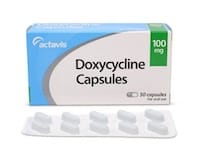
Buy Doxycycline Online at Best Prices
Common Clinical Uses and Prescription Scenarios
Fighting Off Unwanted Guests
Imagine a traveler landing in a tropical paradise, only to find their vacation ruined by a persistent, nagging fever. This is where doxycycline often steps in. It acts like a seasoned troubleshooter, hunting down bacteria that try to hitch a ride in your system via mosquito bites or contaminated water.
Doctors frequently reach for this medication when malaria prevention is the goal. It isn’t a magic wand that works overnight, but rather a shield that helps keep the fever at bay during long treks. It remains a staple for anyone planning to wander through high-risk zones.
Lyme disease is another common battlefield where this antibiotic proves its worth. If a tick has managed to take a nip, early intervention can prevent a long, winding road of complications. It is much like catching a leak before the whole basement is flooded by water damage.
Beyond the bugs that fly or crawl, it tackles various respiratory issues too. From stubborn pneumonia to certain types of bronchitis, it works quietly in the background. It essentially disrupts the cellular machinery of the invaders, making it difficult for them to multiply and cause havoc.
Addressing Skin and Soft Tissue Concerns
Some people find that their skin becomes a canvas for unwanted blemishes. Acne, particularly the more stubborn and cystic varieties, often requires a heavy hitter to clear the air. Doxycycline works by calming the inflammatory storm that makes breakouts so painful and visible to the world.
It is not just about aesthetics; it is about managing the underlying biological chaos. By reducing the population of acne-causing bacteria, the skin can finally find its way back to a calm state. It is a bit like pruning a wild garden so the flowers can breathe again.
In more severe cases of skin infections, clinicians use it to prevent the situation from spiraling out of control. When bacteria invade the soft tissues, time is of the essence. Getting the right prescription early can be the difference between a quick fix and a hospital stay.
The medication’s versatility makes it a tool in the dermatologist’s toolkit. Whether it is managing rosacea or treating a sudden eruption of pustules, the goal remains the same: restoring the body’s natural equilibrium. It is about bringing peace back to the skin’s surface.
Cost and Accessibility Overview
Navigating the pharmacy counter can sometimes feel like walking through a maze of confusing numbers. While generic versions of doxycycline are generally quite affordable, the final price at the register can shift depending on your insurance coverage. It is always wise to check beforehand.
For those without comprehensive insurance, the cost of a standard thirty-day supply of generic doxycycline might range from $10 to $30. However, specialized brand-name versions or higher dosages can certainly drive that number much higher. A quick call to the pharmacist can save you a headache.
Understanding the breakdown of costs helps in managing a household budget effectively. It is never a good idea to skip doses just to save a few cents. Consistency is the key to ensuring the infection is truly defeated once and for all.
Below is a rough estimation of what you might encounter when picking up your prescription at a standard retail pharmacy:
| Prescription Type | Estimated Monthly Cost |
| Generic Doxycycline (Standard) | $12 – $25 |
| Extended Release Formulation | $45 – $70 |
| Brand Name Variation | $80 – $150+ |
Standard Dosage Protocols and Administration
Tailoring the Dose to the Task
Taking antibiotics is not a one-size-fits-all affair, much like picking the right pair of hiking boots for a rugged trail. A doctor will carefully calibrate your dose based on what they are fighting. For instance, treating a simple skin breakout requires a different approach than preventing a serious tropical fever during a long trek.
If you are using it for malaria prophylaxis, the schedule is often quite rigid. You might take a single dose once a week, or perhaps a daily pill, depending on the specific strain of the parasite in the region. Missing a single dose can be like leaving a gap in your defensive wall, allowing invaders to slip through.
When it comes to acute infections like Lyme disease, the dosage typically ramps up significantly. A clinician might prescribe 100mg twice a day to ensure the bacteria are thoroughly eradicated. It is a heavy-handed approach for a heavy-duty problem, ensuring no lingering remnants of the infection remain to cause trouble later.
Always listen to the professional who wrote your script. They are the conductors of this pharmacological orchestra, ensuring the timing and volume are exactly what your body needs. Taking more than prescribed won’t speed up the healing process, but it might just cause unnecessary side effects that make you feel quite unwell.
Navigating the Rules of Intake
How you take your medication is just as vital as how much you take. One golden rule is to avoid lying down immediately after swallowing your pill. It is a bit like a spilled drink on a carpet; if you don’t act quickly, the irritation can cause a messy situation in your esophagus.
Many people find that taking their dose with a full glass of water helps ease the journey through the throat. If you feel a sudden burning sensation, don’t ignore it. It is your body’s way of saying the pill is stuck or causing irritation, so stay upright for at least thirty minutes.
Food can be a bit of a double-edged sword when it comes to absorption. While taking it with food might soothe a sensitive stomach, certain items like dairy or heavy calcium supplements can act like a sponge, soaking up the medicine before it can do its job. It is a delicate balancing act.
To keep things running smoothly, consider these best practices for daily administration:
- Drink a full 8-ounce glass of water with every dose.
- Avoid taking the medication at the same time as multivitamins containing calcium or iron.
- Stay upright for at least 30 minutes after swallowing to prevent esophageal irritation.
- Keep a consistent schedule so the levels in your bloodstream remain steady.
Comparing Common Prescription Options
When you stand at the pharmacy counter, the variety of options can feel overwhelming. You might see different strengths or delivery methods that vary in both price and purpose. Understanding these differences can help you have a more informed conversation with your healthcare provider and your insurance agent.
The table below outlines some common ways this medication is packaged and the typical price points you might see for various monthly supplies:
| Prescription Format | Typical Monthly Cost |
| Standard 100mg Capsules | $15 – $35 |
| High-Strength 200mg Capsules | $25 – $50 |
| Extended-Release Tablets | $50 – $85 |
| Travel-Sized Prophylaxis Pack | $40 – $95 |
Market Price Comparison and Cost Factors
The Hidden Drivers of Pricing
Navigating the pharmacy landscape can feel like walking through a crowded bazaar where prices shift without warning. You might find that the sticker price on a bottle of doxycycline isn’t the final word. Several moving parts dictate what you eventually pay at the register, from manufacturing shifts to the specific way your insurance company views the drug.
Generic availability is the biggest player in this economic dance. Because doxycycline has been around the block for decades, many manufacturers produce it, which keeps the baseline cost relatively low. When competition is fierce, the price tends to drop, making it much more accessible for those on a tight budget or traveling abroad.
Insurance coverage acts as a massive buffer, but it is not a magic wand. Depending on your plan, you might only need to cover a small co-pay, or you might be hit with the full brunt of the cost if the drug is not on your preferred formulary. It is always wise to check your coverage before heading out.
The sheer volume of your prescription also plays a role in the math. Buying a thirty-day supply is often much more cost-effective than picking up a handful of individual doses every few days. Think of it like buying in bulk; the price per pill often plummets when you commit to a full course of treatment.
Factors That Swing the Bill
One major variable is the specific formulation requested by your doctor. While a standard pill is the bread and butter of most pharmacies, extended-release versions are a different beast entirely. These specialized tablets are designed to release the medicine slowly, which can command a much higher premium from the manufacturer.
The pharmacy itself can also make a difference in your final tally. A large national chain might have different pricing structures than a small, independent local shop. Sometimes, the “cash price” at a local shop might actually be lower than what your insurance insists you pay, especially if you have a high deductible.
Shipping and logistics add another layer of complexity to the equation. If you are ordering through an online mail-order service to save a few bucks, you must factor in the delivery costs. While the medicine itself might be cheap, the convenience of having it arrive at your doorstep comes with its own minor surcharge.
To keep your wallet from feeling the sting, keep these cost-saving tips in mind:
- Always ask for the generic version rather than the brand-name equivalent.
- Compare prices between your local pharmacy and online mail-order options.
- Inquire about manufacturer coupons or patient assistance programs if available.
- Request a 90-day supply if your treatment requires long-term use to lower the unit price.
Comparing Common Prescription Options
When you stand at the pharmacy counter, the variety of options can feel overwhelming. You might see different strengths or delivery methods that vary in both price and purpose. Understanding these differences can help you have a more informed conversation with your healthcare provider and your insurance agent.
The table below outlines some common ways this medication is packaged and the typical price points you might see for various monthly supplies:
| Prescription Format | Typical Monthly Cost |
| Standard 100mg Capsules | $15 – $35 |
| High-Strength 200mg Capsules | $25 – $50 |
| Extended-Release Tablets | $50 – $85 |
| Travel-Sized Prophylaxis Pack | $40 – $95 |
Safe Acquisition and Shipping Logistics
Finding a Legitimate Source
Searching for a reliable source for your medication shouldn’t feel like playing a high-stakes game of chance. Many people fall into the trap of turning to unregulated websites that promise lightning-fast shipping and rock-bottom prices. While the allure of a bargain is strong, these shadow pharmacies often deliver counterfeit or expired pills that do more harm than good.
A legitimate pharmacy will always demand a valid prescription from a licensed healthcare professional. If a website is willing to ship doxycycline without a doctor’s oversight, you should run for the hills. These operators are essentially flying blind, and you have no guarantee that the chemical composition inside those capsules matches what is printed on the label.
Always look for the digital seal of approval from recognized regulatory bodies. Verified online pharmacies will display clear contact information, a physical address, and licensing credentials that you can actually verify. It is much better to pay a small premium to a reputable vendor than to gamble your health on a shady, anonymous storefront.
Don’t forget to check the reviews from actual patients before you click that checkout button. A pharmacy might look professional, but a trail of complaints about broken seals or incorrect dosages is a massive red flag. Taking an extra five minutes to read real feedback can save you a massive headache and a lot of wasted money.
The Nuances of Shipping and Handling
Once you have successfully placed your order, the logistics of delivery become the next major hurdle. Doxycycline is a sensitive substance that can be quite temperamental if it is left out in the heat or exposed to excessive moisture. You want a shipping method that prioritizes stability and speed over the absolute cheapest possible rate.
Temperature control is the unsung hero of successful medication delivery. If you live in a tropical climate or are ordering during a scorching summer, you might need to request specialized packaging. While some medications are hardy, extreme heat can degrade the active ingredients, turning your expensive prescription into nothing more than expensive, useless chalk.
Tracking your package is not just a luxury; it is a necessity for peace of mind. You do not want your health supplies sitting on a hot porch for three days while you are away on business. Opt for shipping services that provide real-time updates so you can ensure someone is home to receive the package immediately.
When the box finally arrives, inspect it with a critical eye before you even consider opening it. Look for any signs of tampering, crushed corners, or moisture damage to the internal packaging. If the seal looks compromised, do not hesitate to contact the provider immediately to request a replacement under their guarantee.
Logistics Comparison and Delivery Expectations
Different shipping methods carry different price tags and timelines, which can significantly impact your total expenditure. Some services offer overnight delivery for a steep fee, while others might take a week to arrive via standard mail. Choosing the right tier depends entirely on how urgently you need to start your medication regimen.
The following table provides a general breakdown of what you might expect to pay for various shipping speeds and service levels:
| Shipping Method | Estimated Delivery | Average Cost |
| Standard Ground | 3 – 7 Business Days | $5 – $12 |
| Expedited Air | 2 – 3 Business Days | $20 – $45 |
| Overnight Priority | 1 Business Day | $50 – $80 |
| Insured/Signature Required | Variable | +$10 – $25 |
If you are traveling internationally, the logistics get even more complicated. Customs regulations vary wildly from country to country, and what is perfectly legal in one nation might be restricted in another. Always double-check the local laws of your destination to avoid having your medication confiscated at the border.
It is often a wise move to carry a copy of your physical prescription when traveling. If a customs official questions the large quantity of pills in your luggage, having documentation from your doctor can smooth the process. Being prepared helps ensure that your medical needs don’t become a legal nightmare halfway through your journey.