
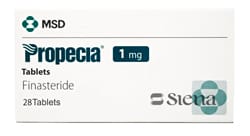
Buy Propecia Online Today for Fast Hair Regrowth
How Finasteride Works to Stop Hair Loss
Think of your scalp as a garden where the soil chemistry is slowly turning toxic. For many men, the culprit is a rogue enzyme that acts like a weed, choking out new growth before it even starts. This biological process is what eventually turns a thick mane into something much thinner and more fragile.
Finasteride steps onto the scene like a seasoned gardener, working to neutralize that specific threat. It doesn’t just mask the problem; it targets the root cause of the decline. By intervening in the chemical conversation happening within your follicles, it helps restore a sense of balance to your scalp’s internal environment.
The mechanism is quite elegant in its simplicity. It acts as an enzyme inhibitor, specifically targeting the 5-alpha reductase enzyme. Without this intervention, your body continues its relentless march toward hair thinning. It is essentially a defensive shield for your hair follicles, guarding them against the inevitable pull of genetics.
The Role of DHT in Thinning
To understand the solution, we must first face the villain: Dihydrotestosterone, or DHT. Imagine DHT as a tiny, invisible wrecking ball swinging inside your hair follicles. While testosterone is a natural part of life, this converted version is what makes your hair follicles shrink over time, a process known as miniaturization.
When DHT levels run rampant, the hair growth cycle gets thrown into a state of chaos. Instead of producing thick, vibrant strands, the follicle begins producing much finer, shorter, and lighter hairs. Eventually, the follicle may stop producing hair altogether, leaving behind nothing but smooth, bare skin where a crown used to be.
Finasteride works by effectively “turning down the volume” on this DHT production. It binds to the 5-alpha reductase enzyme, preventing it from converting testosterone into the dreaded DHT. It is like putting a cap on a leaking faucet; once the flow of DHT is restricted, the damage to the follicles can be halted.
Many men find that this intervention is the difference between fighting a losing battle and holding their ground. By keeping DHT levels in check, the hair follicles stay in the “growth phase” longer. This stability is crucial for anyone looking to maintain their natural hairline for years to come.
- Enzyme Inhibition: It blocks the conversion of testosterone into DHT.
- Follicle Protection: It prevents the miniaturization of hair follicles.
- Cycle Regulation: It helps maintain the natural anagen (growth) phase.
- Density Maintenance: It works to preserve the thickness of existing hair.
Comparing Biological Impact
Understanding the shift in hormone levels can help you visualize how this medication functions within your bloodstream. It isn’t a sudden, violent shift, but rather a steady recalibration of your body’s hormonal landscape. It’s about finding a new equilibrium that favors hair retention over depletion.
The following table illustrates how Finasteride alters the hormonal environment to combat the effects of androgenetic alopecia:
| Hormonal Component | Without Finasteride | With Finasteride |
| DHT Levels in Scalp | High (Promotes Thinning) | Significantly Reduced |
| Follicle Size | Shrinking (Miniaturization) | Stabilized/Maintained |
| Hair Growth Cycle | Shortened Anagen Phase | Extended Anagen Phase |
While the medication is highly effective, it is important to remember that it is a preventative and maintenance tool. It works best when started early, before the follicles have completely shut down. Think of it as a safety net; it is much easier to catch a falling object than it is to rebuild something that is gone.
Some users might wonder about the cost of maintaining this hormonal balance. Depending on the pharmacy and the dosage, you might see prices ranging from $30 to $60 for a monthly supply. Investing in this preventative measure is often much more affordable than attempting expensive hair transplants later in life.
Daily Dosage and Usage Protocols
Consistency is the name of the game when you are dealing with hormonal regulation. You cannot simply take a pill when you remember or when you notice a particularly stubborn patch of thinning. It requires a disciplined, daily ritual to keep those DHT levels in a permanent state of check.
Most men find success by incorporating their dose into an existing habit. Perhaps you take it every morning alongside your coffee, or maybe it becomes a part of your nighttime wind-down routine. The goal is to make the act so automatic that you never have to think twice about it.
Skipping doses is like trying to keep a fire burning by throwing only a few tiny twigs on it once a week. You need a steady stream of the medication to maintain the inhibitory effect on the 5-alpha reductase enzyme. If you are inconsistent, your DHT levels might start to spike again.
Timing your dose is less about the specific hour and more about the regularity of the interval. Whether you are a morning person or a night owl, the most important thing is that you pick a time and stick to it. This prevents the “rollercoaster effect” in your bloodstream.
Optimizing Your Routine
Many users ask if they should take their medication with food. The short answer is that it doesn’t strictly matter for absorption, but taking it with a meal can help if you experience any mild stomach upset. It’s a small tweak that can make a big difference in comfort.
If you happen to miss a dose, don’t try to play catch-up by taking two pills the next day. That is like trying to fix a leaky faucet by turning the water pressure up to maximum; it won’t help and might cause unnecessary side effects. Just get back on track with your regular schedule.
It is also worth noting that some people prefer topical applications over oral tablets. While oral pills are the gold standard for systemic DHT reduction, topical solutions are gaining popularity for those who want to minimize systemic absorption. It is a landscape that is constantly evolving as science progresses.
Always listen to your body’s subtle signals. While the medication is generally well-tolerated, everyone’s chemistry is a bit different. If you feel like something is “off,” don’t just shrug it off; have a conversation with your healthcare provider to ensure you are on the right path.
Navigating the financial side of hair maintenance can feel like a bit of a maze. To help you plan your long-term budget, I have put together a quick comparison of common purchasing options.
| Subscription Plan | Quantity | Monthly Cost | Terms |
| Standard Monthly | 30 Tablets | $45 | No Commitment |
| Quarterly Bundle | 90 Tablets | $110 | 3-Month Supply |
| Annual Savings | 365 Tablets | $380 | 12-Month Prepay |
| Generic Bulk | 180 Tablets | $195 | 6-Month Supply |
Long-Term Expectations
Patience is your best friend in this journey. You won’t wake up one morning with a full head of hair after just a week of usage. Hair growth is a slow, methodical process that follows its own internal clock, often taking three to six months to show visible results.
It is vital to remember that this is a marathon, not a sprint. Many men get discouraged around the two-month mark when they don’t see a dramatic change. Stick with it; the follicles need time to transition from the shrinking phase back into a productive growth state.
Once you see results, the temptation might be to stop because “it’s working.” Resist that urge. The moment you stop the intervention, the DHT levels will begin to climb once more, potentially undoing all the progress you have worked so hard to achieve.
Think of your hair care like maintaining a garden. You don’t just water the plants once and then walk away forever; you have to keep the soil nutrient-rich and the weeds at bay consistently. Consistent usage is the “water” that keeps your hair thriving.
Propecia Cost and Pricing Breakdown
Walking into a pharmacy or browsing online can feel like stepping into a high-stakes auction. You might expect a single, fixed price tag, but the reality is much more fluid. Costs fluctuate based on where you shop, how much you buy at once, and whether you choose the brand name or a generic alternative.
It is important to realize that Propecia is an investment in your long-term confidence. While the upfront cost might seem like a mountain to climb, looking at the daily expense is often much more manageable. Most people find that breaking the price down into a “per pill” metric makes the decision much easier.
Navigating the various tiers of pricing requires a bit of detective work. You will encounter different price points for different quantities, which can be quite confusing if you aren’t prepared. I’ve seen people spend way too much simply because they didn’t realize how much a bulk purchase could save them.
Ultimately, the goal is to find a balance between your monthly budget and the convenience of your delivery method. Some prefer the “set it and forget it” nature of subscriptions, while others like the autonomy of buying in bulk. Both paths have their own unique financial pros and cons.
Comparing Brand Name vs. Generic Options
When you first look at the label, the name “Propecia” carries a certain weight and a higher price tag. This is the original formula that paved the way for DHT inhibition. Many people swear by the brand name, feeling it offers a sense of security that comes with a well-known manufacturer.
However, the generic version, which contains the same active ingredient, finasteride, is often the “hidden gem” for your wallet. It is essentially the same medicine, just without the fancy marketing budget attached to it. For many, making the switch to generic is like finding a high-quality store brand that works just as well.
If you are on a tight budget, the generic route is a total game-changer. You can often find significant savings by opting for the generic equivalent. It’s a simple way to keep your hair maintenance costs from spiraling out of control as the years go by.
That said, some individuals prefer to stick with the original brand out of habit or a desire for absolute consistency. If your budget allows for it, there is no harm in staying with the brand name. Just be aware that you are paying a premium for that specific label.
Factors That Influence Your Total Spend
Several moving parts dictate the final number on your receipt. Shipping costs are a sneaky culprit; a low price per pill can quickly vanish if you have to pay heavy fees for fast delivery. Always look at the total “out the door” price before hitting that checkout button.
The quantity you select is perhaps the most significant lever you can pull. Buying a single month’s supply is the most expensive way to approach this regimen. It’s like buying a single egg instead of a carton; you’re paying more for the convenience of a smaller unit.
Insurance coverage is another variable that can wildly swing your out-of-pocket expenses. Depending on your plan, you might find that your prescription is covered, or you might be paying the full retail price. It is always worth a quick call to your provider to see what’s possible.
Lastly, the timing of your purchase matters. Some online retailers offer seasonal discounts or loyalty rewards that can shave a few dollars off your total. Keeping an eye out for these small windows of opportunity can add up to significant savings over a year.
| Purchase Type | Estimated Price Range | Best For… |
| Brand Name (Monthly) | $60 – $90 | Maximum Brand Confidence |
| Generic (Monthly) | $30 – $50 | Budget-Conscious Users |
| Generic (6-Month Bulk) | $150 – $220 | Maximum Value Savings |
| Generic (1-Year Supply) | $280 – $350 | Long-Term Maintenance |
Where to Buy Propecia Safely Online
Walking into a digital pharmacy can feel like stepping into a minefield. You might think you are just hunting for a simple prescription, but the internet is a crowded marketplace. It is easy to get lured in by a “too good to be true” price that ends up being a total headache.
I remember a friend who tried to save a few bucks on a shady site. He ended up waiting three weeks for a package that contained nothing but chalk. It was a bitter pill to swallow, and he lost both his money and his precious time. Don’t let that happen to you.
Safety should always be your north star when browsing. You want a vendor that is as transparent as a windowpane. If a website looks like it was designed in 1998 and lacks clear contact information, it is a massive red flag. Trust your gut; it is usually right about these things.
A reputable online pharmacy should act like a bridge, not a barrier. They should make the process seamless and provide clear documentation for every single order. When you find a site that prioritizes security and legitimacy, you can finally breathe a sigh of relief and focus on your regimen.
Verifying Legitimacy and Safety
The gold standard for any online pharmacy is its accreditation. Look for symbols from organizations like the NABP (National Association of Boards of Pharmacy). These aren’t just little icons for show; they are proof that the site follows strict guidelines and maintains high quality standards for all medications.
Always check for a physical address and a working customer service phone number. If the only way to reach them is a generic contact form, proceed with extreme caution. A real business stands behind its products and is willing to pick up the phone when you have a question.
Reading reviews can be a double-edged sword. While they offer a glimpse into the customer experience, you have to sift through the wheat to find the chaff. Look for patterns in the feedback. If everyone is complaining about shipping delays or broken bottles, take that as a serious warning sign.
Another trick of the trade is to look for “pharmacy verification” seals. These are often embedded in the website’s code or displayed prominently. If a site claims to be a pharmacy but lacks these credentials, you might be dealing with a digital counterfeit shop rather than a legitimate medical provider.
When you are shopping, keep these safety markers in mind:
- Verified Pharmacy Status: Ensure they are licensed in the relevant jurisdiction.
- Secure Payment Gateways: Look for the padlock icon in your browser bar.
- Clear Return Policy: Know exactly what happens if your order arrives damaged.
- Patient Support: Check if they offer any guidance or resources for users.
The Role of Online Prescriptions
You cannot simply grab Propecia off a digital shelf like a bag of chips. Because it is a prescription-strength medication, you need a valid order from a licensed healthcare professional. This is a legal safeguard designed to ensure the medicine is actually right for your specific body.
Many modern online platforms have streamlined this process significantly. They often partner with telehealth services that can conduct a quick consultation via video or text. It is a modern way to get the care you need without sitting in a stuffy waiting room for an hour.
Be wary of any site that promises to ship your order without a prescription. This is a major red flag that screams “illegal operation.” Not only is it against the law, but it also puts your health at risk because you haven’t had a doctor vet your medical history.
Think of the prescription as your safety net. It ensures that you are not just buying a chemical, but a medical treatment overseen by experts. It might add a small extra step to your purchase, but it is the most important part of the entire process.
To make your shopping experience as smooth as silk, consider these tips:
First, have your medical history ready. If you use a telehealth service, having a list of your current medications can speed things up. Second, always confirm the dosage you are ordering. A simple mistake here can lead to a very frustrating and expensive error in your hair care journey.
Third, consider the shipping speed versus the cost. Sometimes paying an extra $10 for tracked, expedited shipping is worth the peace of mind. Finally, always double-check your shipping address. It sounds obvious, but even a small typo can send your entire order on a wild goose chase.
Comparing Propecia to Alternative Treatments
Choosing a hair loss regimen is often like navigating a dense fog without a compass. You know you need to move forward, but every direction seems to offer different promises. Propecia stands as a heavy hitter in this arena, but it is far from the only player on the field. You must weigh the pros and cons carefully.
Some men find that sticking to a single, proven method is the best way to stay the course. Others prefer to mix and match different tools to see what sticks. It is not a one-size-fits-all world, and what works for your neighbor might leave you feeling like you are chasing shadows.
Understanding how Propecia stacks up against other options is the first step toward making an informed decision. You want to ensure your investment—both in terms of money and time—is actually yielding results. Let’s pull back the curtain on the most common competitors in the current market.
Minoxidil and Topical Solutions
Minoxidil is often the first thing people reach for when they notice thinning. It is the “old reliable” of the topical world, available over the counter without a doctor’s nod. Think of it as the accessible entry point for those who aren’t quite ready for a prescription-strength commitment.
While Minoxidil is widely available, it works quite differently than Propecia. While Propecia targets the hormones responsible for hair loss, Minoxidil acts more like a fertilizer for the scalp. It helps widen blood vessels, allowing more nutrients to reach the hair follicles. It’s a different tool for a different job.
The trade-off is often seen in the application process. Using a topical foam or liquid every single day can feel like a tedious chore. You might deal with some scalp irritation or a messy residue that makes your hair look greasy. It is a small price to pay for some, but not for everyone.
When looking at the costs, Minoxidil is generally much lighter on the wallet. You can often find generic versions for around $15 to $30 per month. However, the price of failure is high if it doesn’t stop the root cause of your thinning, which is why many men eventually move toward more aggressive options.
Natural Supplements and Microneedling
The market is flooded with herbal supplements claiming to be “miracle cures” for baldness. From biotin to pumpkin seed oil, people are desperate to find a natural way around the pharmacy counter. It is a tempting siren song, especially when you want to avoid synthetic chemicals in your daily routine.
The reality is that most supplements lack the clinical teeth to stop significant hair loss. They might support overall hair health, but they rarely stop the underlying genetic process. It is like trying to stop a leak in a dam by simply polishing the surface of the concrete. It looks good, but the water keeps coming.
Then there is microneedling, a more hands-on approach involving tiny needles to stimulate the scalp. It is a bit of a gritty process, and you have to be careful not to cause any real damage to your skin. Some people find it to be a game-changer when paired with other treatments.
Comparing the two, you might see a landscape like this:
| Treatment Type | Primary Mechanism | Typical Cost |
| Propecia | Hormonal Blockage | $40 – $70 |
| Minoxidil | Increased Blood Flow | $15 – $30 |
| Supplements | Nutritional Support | $20 – $50 |
Comparing Effectiveness and Commitment
When you look at the long game, the commitment level is a major factor. Propecia requires a steady, daily habit to maintain the progress you have made. If you decide to stop taking it suddenly, you might find your hair regressing quite rapidly, like a tide going out unexpectedly.
Minoxidil carries similar risks; if you stop the application, the benefits tend to vanish. It is a marathon, not a sprint. You cannot simply use it for three months and expect a permanent solution. You have to decide if you are ready to make this a permanent part of your lifestyle.
In terms of raw effectiveness, many clinical studies suggest that Propecia holds the crown for preventing further loss. While Minoxidil can help regrow hair, Propecia is more focused on stopping the “shrinkage” of the follicle itself. It is the difference between patching a hole and preventing the fabric from tearing.
Ultimately, the “best” treatment is a deeply personal choice. You have to balance your budget, your lifestyle, and your expectations. Some men find success with a combination of these methods, while others find that a single, focused approach is all they ever need to feel confident again.
Potential Side Effects and Safety Precautions
Common Physiological Reactions
Not every man’s body reacts to Finasteride in the same way. While many users sail through their treatment without a hitch, some might experience a bit of turbulence. It is important to listen to what your body is telling you, as these signals are often the first line of defense for your health.
A common complaint involves changes in sexual function. Some men report a decreased interest in intimacy or a noticeable change in how they perform. While these issues can sometimes vanish after a few months, for others, they persist. It is a heavy price to pay if you value your libido above your hairline.
Physical fatigue and mood swings are also frequently cited in clinical observations. You might feel like you are walking through a fog, or perhaps you find yourself feeling unusually irritable over minor inconveniences. If you notice your mental health shifting, it is time to have a serious talk with your physician immediately.
Some users also report skin sensitivities or localized reactions. This is less common with oral pills compared to topical versions, but it remains a possibility. Always keep a close eye on how you feel physically and emotionally during the first few months of your journey.
Serious Risks and Warnings
The most significant concern involves the impact on prostate health. Some studies suggest a potential link between long-term use and an increased risk of certain prostate issues. While the data is still being debated in medical circles, it is a shadow that hangs over the prescription.
There is also the matter of hormonal shifts that can affect more than just your hair. Because the drug works by altering how your body processes dihydrotestosterone, the ripple effects can be profound. It is not just about the scalp; it is about the entire endocrine system’s delicate balance.
For those who are planning to father children, the precautions are incredibly strict. Women who are pregnant or even potentially pregnant should never handle crushed or broken tablets. The active ingredient can cause severe developmental issues in a male fetus, making it a non-negotiable safety rule.
If you experience any sudden, painful changes in your reproductive system, do not wait. These symptoms are red flags that require professional medical intervention. It is better to be overly cautious than to ignore a brewing problem that could have lasting consequences.
Safety Checklist for Users
Before you dive into a prescription, consider this quick overview of what to monitor. Being proactive is much better than being reactive when it comes to your wellness. Check these points regularly to ensure you are staying on the right track.
- Monitor any sudden changes in libido or sexual drive.
- Watch for unexpected shifts in mood or emotional stability.
- Report any physical discomfort in the pelvic or prostate region.
- Ensure all household members, especially women, are aware of handling protocols.
If you are currently taking other medications, you must disclose them. Drug interactions can turn a simple prescription into a complicated headache. Always be the one to bring up every supplement and vitamin you take to ensure there are no hidden conflicts.
Ultimately, safety is about being an active participant in your healthcare. Do not just swallow the pill and hope for the best. Stay vigilant, stay informed, and never hesitate to voice your concerns to a medical professional, regardless of how small they may seem.
Pingback: Buy Cenforce Online for Best Prices and Fast Shipping – Remotshotse Catering