
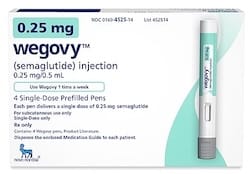
Buy Wegovy Online Today
Weight Management in the Modern Era
Stepping into weight management today feels like walking into a high-tech laboratory. It isn’t just about willpower or skipping that midnight snack anymore. Instead, it involves the complex chemistry happening deep within your cells.
Semaglutide has fundamentally changed how we talk about metabolic health. It turns what was once a mountain of struggle into a much more manageable climb for many people.
The options available can leave patients feeling lost in a forest of jargon. You might hear whispers about different brands, various delivery methods, and wildly different price tags.
It is easy to feel overwhelmed when the pharmacy counter becomes a battlefield. Between conflicting information and skyrocketing costs for life-changing medication, the confusion is real.
Navigating this terrain requires a steady hand and a clear map. You aren’t just looking for a pill or a pen; you want a sustainable way to reclaim your vitality.
Understanding how these medications interact with your biology is the first step. It moves you from a state of mere survival to a state of truly thriving.
The Spectrum of Semaglutide Options
Not all semaglutide is created equal, especially regarding the specific goal you are chasing. While the active ingredient remains the same, the packaging and prescription methods vary wildly.
Some people find success with the once-weekly injectable. Others look toward the oral tablet options that have recently entered the fray.
It is a bit like choosing a vehicle for a long road trip. Do you want the heavy-duty truck for intense appetite suppression, or the agile sedan that is easier to carry around?
Both will get you to your destination, but the ride feels very different. It ultimately depends on your body’s unique metabolic engine.
Doctors often weigh the convenience of an injection against the simplicity of a pill. Some patients find the needle a daunting prospect and see it as a barrier to consistent use.
Others prefer the predictable rhythm of a weekly shot. The best choice is simply the one that fits into your existing lifestyle without causing extra stress.
Consider these primary delivery methods currently available on the market:
- Subcutaneous Injections: The most common method, often associated with Wegovy, providing a steady release into the bloodstream.
- Oral Tablets: A newer way to take semaglutide, requiring strict adherence to specific timing to ensure proper absorption.
- Compounded Formulations: A more controversial route where pharmacists mix ingredients, often used when brand-name supplies are low.
The Financial Reality of Treatment
Let’s not dance around the elephant in the room: the cost can hit your wallet like a freight train. For many, the price of entry into this new era of medicine is a significant hurdle.
It is hard to focus on health goals when you are constantly calculating the math of your next prescription refill. Financial stress can quickly overshadow medical progress.
Insurance companies can be as fickle as the weather. One month, your plan might cover a large portion of the cost, leaving you with a manageable co-pay.
The next month, they might decide it is a “non-essential” luxury. This leaves you to foot the entire bill yourself, making long-term planning feel like an impossible task.
Below is a general comparison of what you might encounter when looking at various ways to access semaglutide. Keep in mind that these figures are estimates and can shift based on your location and provider.
| Method | Estimated Monthly Cost | Accessibility |
| Brand-Name Injectable | $850 – $1,200 | High (via Prescription) |
| Oral Tablet (Brand) | $500 – $900 | Moderate |
| Compounded Options | $250 – $500 | Variable |
High-end price tags for brand-name medications are a bitter pill to swallow. However, they offer the peace of mind that comes with rigorous clinical testing.
Compounded versions might offer a cheaper way to stay in the game. But they come with their own set of questions regarding the purity and consistency of the active ingredient.
If you find yourself struggling with the expense, do not lose heart. Many manufacturers offer patient assistance programs that act as a safety net.
It is worth the extra paperwork to see if you qualify for a discount. You might find that a little effort brings your monthly cost down from a mountain to a molehill.
Dosage Protocols and Titration Schedules
Think of your body as a sensitive musical instrument. If you strike a heavy chord too loudly right out of the gate, you might cause some serious dissonance.
The goal of titration is to introduce the medication slowly. This allows your digestive system to harmonize with the new chemical signals without causing a total breakdown.
Medical professionals rarely jump straight to the highest dose. They follow a “start low and go slow” philosophy to keep things steady.
This gradual climb is designed to minimize common side effects like nausea or stomach upset. These issues can feel like a heavy anchor dragging down your daily productivity.
It is a marathon, not a sprint. Skipping ahead to see faster weight loss is a tempting trap, but it often backfires in the long run.
If you push the dosage too quickly, you might find yourself feeling too ill to eat. That defeats the purpose of a sustainable, healthy lifestyle change.
The standard titration schedule usually follows a monthly cadence. Each step up is a calculated risk, intended to find the “sweet spot” where the medication works effectively.
You want to find the dose that works without making you feel like you are constantly fighting a battle with your own stomach.
The Step-by-Step Escalation
Most journeys begin with a very low dose, typically 0.25 mg once a week. At this stage, the medication isn’t even intended to cause significant weight loss.
It is simply “training” your system. It is like testing the waters before diving headfirst into a cold, deep pool.
As you move through the subsequent weeks, the dosage increases in increments. You might spend four weeks at 0.5 mg, then move to 1.0 mg.
Eventually, you reach the therapeutic maintenance doses. It is a methodical climb, ensuring your metabolism adjusts to the rising levels of semaglutide in your bloodstream.
If you experience significant discomfort, your doctor might suggest staying at your current dose for a few more weeks. There is no shame in staying put.
It is better to make slow, steady progress than to hit a wall of nausea. You want to avoid being unable to follow your nutritional plan.
The following table outlines a typical progression for those using the standard injection protocol to reach a maintenance level:
| Titration Phase | Weekly Dosage | Primary Objective |
| Initiation | 0.25 mg | Build tolerance |
| Introduction | 0.5 mg | Assess early response |
| Escalation | 1.0 mg – 2.4 mg | Achieve full effect |
| Maintenance | Variable (Max 2.4 mg) | Sustained weight loss |
Once you reach the maintenance dose, the goal shifts from “climbing” to “staying.” Some people find they can stay on a lower dose indefinitely.
Others need the full 2.4 mg to keep the hunger at bay. This is where the “maintenance” aspect of the journey truly begins.
Consistency is the golden rule here. Taking your dose on the same day each week helps keep your blood levels steady and predictable.
If you miss a dose, the instructions can get a bit murky. Generally, if you are within a few days of your scheduled shot, you can take it, but never double up.
Always keep a close dialogue with your healthcare provider during these transitions. They are your co-pilots on this flight.
If you feel like the side effects are becoming a storm you can’t fly through, they can help you adjust your trajectory. The goal is to ensure you stay on course toward your health goals.